






Watermelon season delivers sweet success across Louisiana
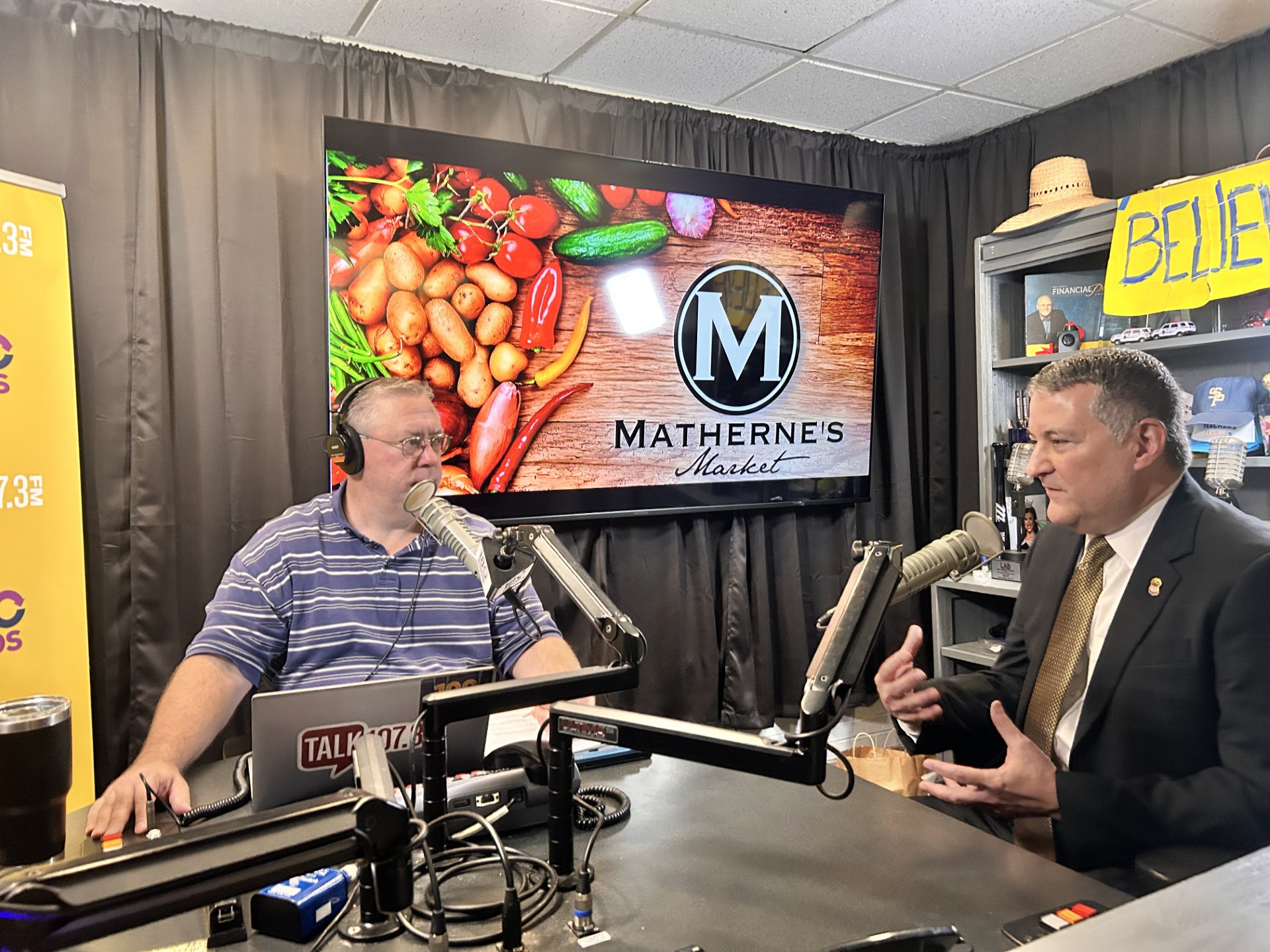
Louisiana watermelon season is producing an exceptional harvest this summer, according to Louisiana Agriculture Commissioner Dr. Mike Strain. Speaking during the monthly Farm to Studio radio segment, Strain said he has yet to find a bad watermelon this year.
He recommends chilling watermelons for several days before serving to maximize their refreshing flavor during Louisiana’s hottest months. Beyond being delicious, watermelon also helps with hydration, making it a summertime favorite for family gatherings and holiday celebrations.
Tips for choosing the perfect watermelon
Finding a ripe watermelon starts with listening. Strain advises shoppers to gently tap the melon and listen for a hollow, resonating sound rather than a dull thud.
Other signs of ripeness include a creamy yellow field spot where the fruit rested on the ground. He also cautions against “plugging” a watermelon by cutting into it to inspect the inside because doing so damages the fruit.
Roadside stands, farmers markets and local grocery stores all offer fresh Louisiana-grown watermelons, but Strain says roadside vendors often know exactly which melons are ready to eat.
Summer harvest offers more than watermelon
Louisiana farms continue to produce a wide variety of seasonal vegetables, including okra, squash, zucchini, bell peppers, sweet corn and Creole tomatoes.
Many farmers stagger their planting schedules to ensure customers have access to peak-fresh produce throughout the growing season rather than all at once. Strain also encouraged residents to grow home gardens, noting that gardening promotes healthier eating while reducing stress and encouraging physical activity.
Buying local helps support food safety
Strain also addressed concerns about recent cases of cyclospora infections linked to fresh produce. The intestinal parasite has been associated with items such as lettuce, cilantro and raspberries, often through contaminated irrigation water.
He encouraged consumers to thoroughly wash fresh produce, especially leafy greens, before eating. Buying locally grown fruits and vegetables from Louisiana farmers can also reduce transportation time while supporting producers who follow strict food safety standards.
Water concerns grow as data centers expand
Beyond agriculture, Strain discussed the rapid expansion of data centers in northeast Louisiana and the potential impact on groundwater supplies.
Large facilities require millions of gallons of water daily for cooling. Strain emphasized the importance of protecting Louisiana’s freshwater aquifers from overuse, warning that excessive pumping can allow saltwater to infiltrate underground water supplies.
He said future facilities should maximize closed-loop cooling systems that recycle water while exploring newer cooling technologies that use alternatives such as nitrogen or ammonia instead of water.
Although Louisiana’s abundant water resources, natural gas and transportation infrastructure make the state attractive for technology investments, Strain stressed that long-term planning is essential to balance industrial growth with agricultural needs.
Sugarcane research continues boosting Louisiana agriculture
Strain also highlighted the annual Sugarcane Field Day at St. Gabriel, where hundreds of farmers gathered to learn about new sugarcane varieties and production practices.
Researchers with the LSU AgCenter and federal partners continue developing improved sugarcane varieties that produce higher sugar yields while resisting emerging pests and diseases. New varieties can increase farm profitability by maintaining higher sugar content over multiple growing seasons.
According to Strain, continued investment in agricultural research helps Louisiana farmers remain competitive while ensuring the state continues producing food, fiber and renewable resources for consumers across the country.