




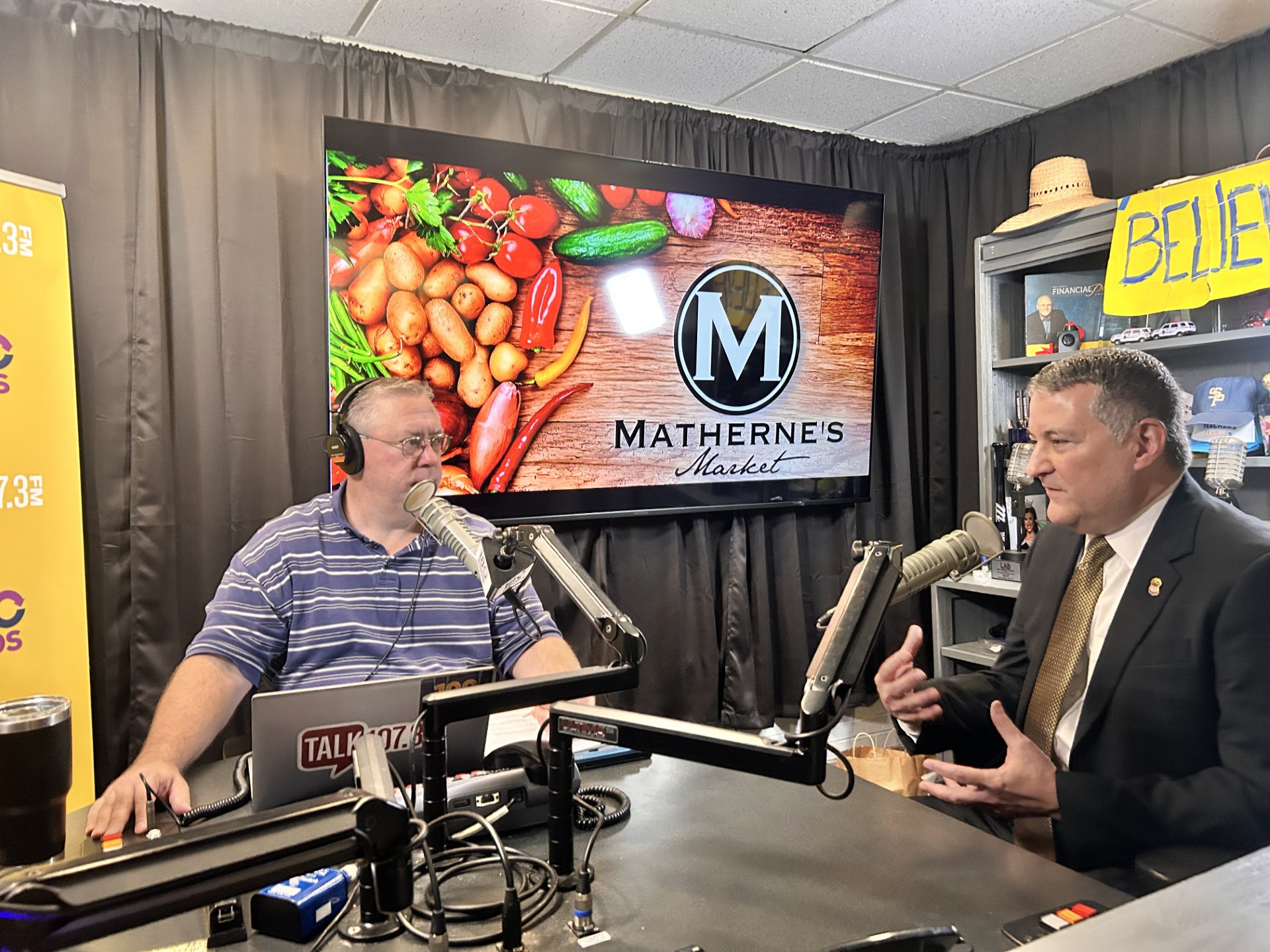


The debate over the Reconciliation 3.0 package is intensifying as lawmakers balance legislative goals with growing concerns over fiscal responsibility. Nan Swift, a resident senior fellow at the R-Street Institute, recently offered insights into the implications of this major legislative vehicle.
The True Cost of Streaming
Critics worry that Reconciliation 3.0 will inevitably increase federal spending without being fully paid for, compounding America’s existing $31 trillion debt. While some advocates hoped for more expansive spending, the current proposal still introduces $95 billion in new expenditures.
The Reconciliation process traditionally aims to balance books and streamline spending, but critics argue lawmakers use it to add to national debt with minimal return.
What’s In the Package?
The package includes key funding requests, including $73 billion for national security related to ongoing conflicts, and a $12 billion bailout for farmers facing rising fuel and fertilizer costs. This has raised fairness questions, as other sectors like trucking, which face similar pressures, do not receive targeted aid.
+-------------------+-----------------+
| Initiative        | Proposed Budget |
+-------------------+-----------------+
| National Security | $73 Billion     |
| Farmer Bailout    | $12 Billion     |
+-------------------+-----------------+
Looking to the Future
The debate takes place during a critical midterm election year. Lawmakers facing re-election may find it difficult to justify further debt increases to voters, particularly as structural drivers like Social Security and Medicare require long-term solutions.