



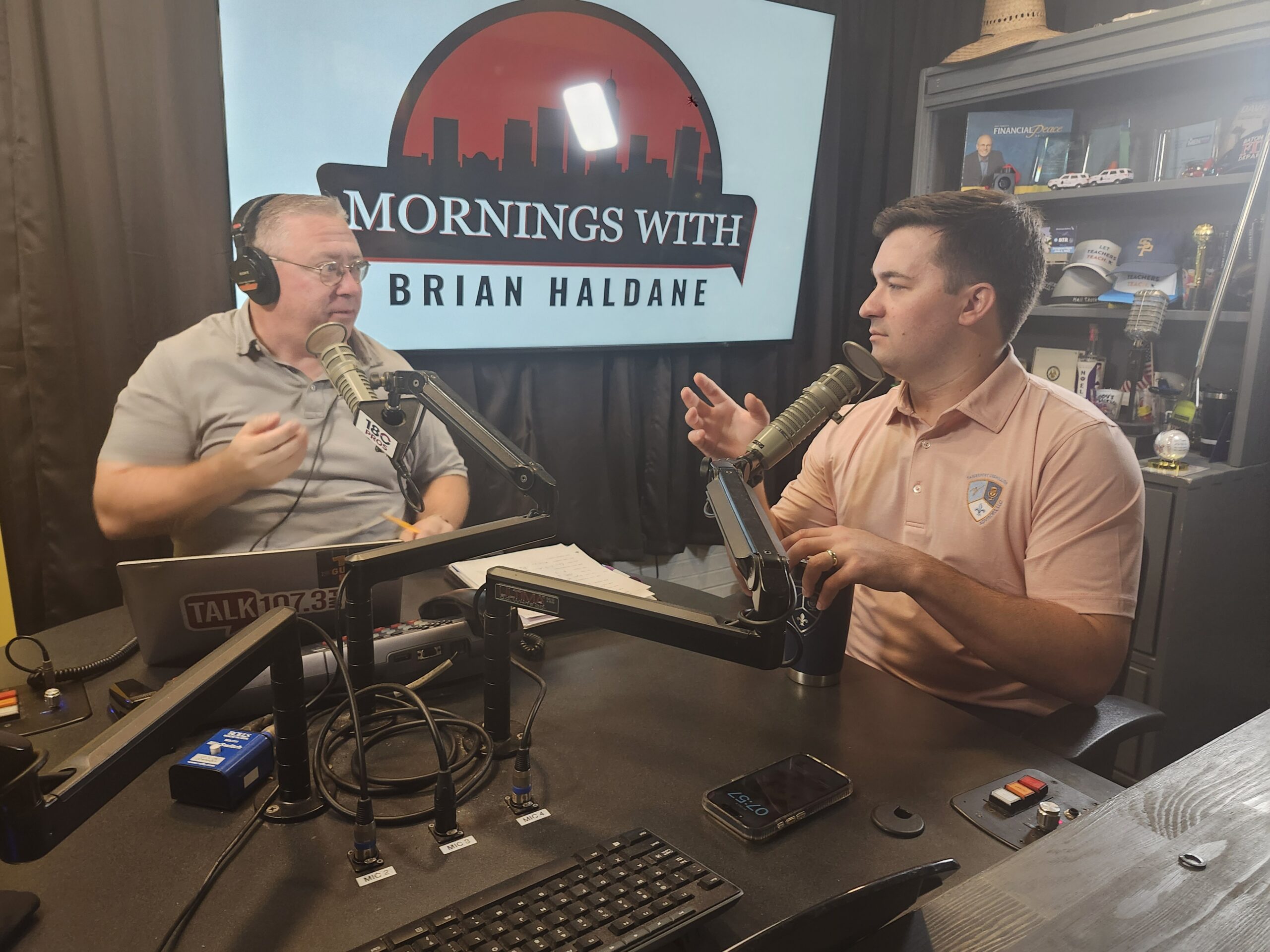



Kyrin Minor of Guaranty Health Solutions joined Mornings With Brian Haldane to discuss patient leakage, a common challenge that can cost medical practices revenue, appointments and opportunities to build lasting patient relationships.
During the conversation, Minor explained how healthcare organizations can identify barriers to care and create a smoother experience for prospective patients.
What Is Patient Leakage?
Patient leakage occurs when people who could receive care within a healthcare organization’s network seek services elsewhere or never complete the process of becoming a patient.
Minor identified several common causes, including unanswered phone calls, long appointment wait times, confusing instructions and complicated scheduling procedures. While each issue may seem minor, these obstacles can add up and prevent patients from accessing care.
Why Marketing Alone Won’t Solve the Problem
Minor emphasized that healthcare organizations cannot solve patient leakage simply by increasing their marketing budgets. Generating demand means little if practices lack the systems and staff to accommodate new patients.
She explained that marketing, operations and patient access must work together. When departments operate independently and focus only on their individual performance metrics, leaders can miss problems that affect the entire patient journey.
Minor also encouraged practices to eliminate repetitive registration steps and simplify their websites. Her guiding principle is “two clicks to care,” emphasizing how easily patients should be able to schedule an appointment.
How Healthcare Leaders Can Reduce Patient Leakage
Guaranty Health Solutions helps healthcare organizations identify operational gaps, align departmental priorities and implement practical improvements. Rather than simply delivering recommendations, the company works alongside healthcare leaders to put solutions into action and support long-term growth.
Minor offered a simple first step for healthcare leaders: experience the process as a patient would. Call the scheduling line, measure how long it takes to reach someone and determine whether the next steps are clear.
By identifying one barrier, developing an improvement plan and measuring the results, practices can begin reducing patient leakage.
The takeaway: Improving patient access starts with removing unnecessary obstacles and making it easier for people to get the care they need.