




Article written by Adeline Fields
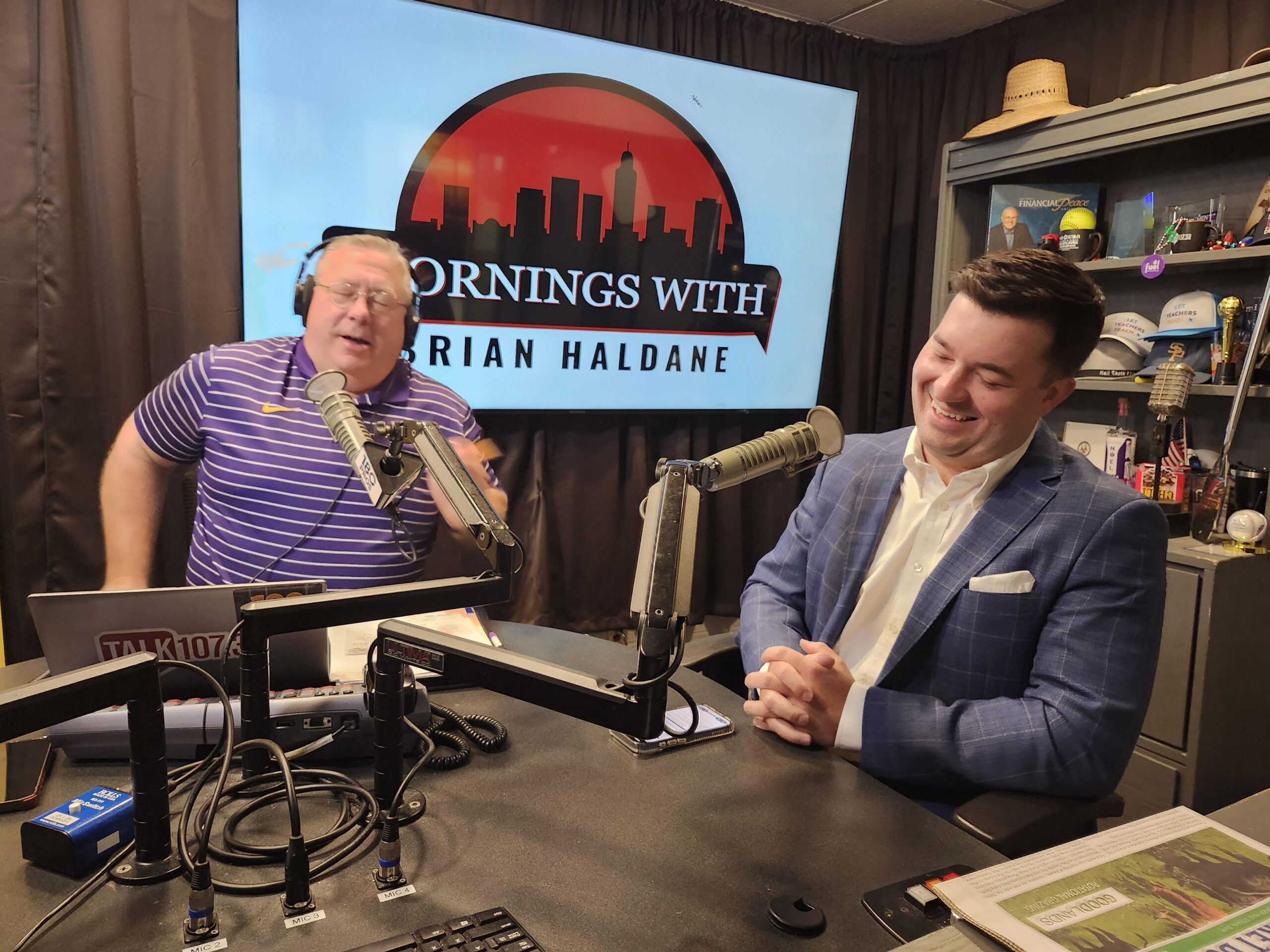
With the One Big Beautiful Bill Act now signed into law, how will healthcare in rural Louisiana evolve to continue meeting the needs of patients? Jeff Reynolds, Executive Director of the Louisiana Rural Hospital Coalition, offered insight into what the legislation could mean for the state’s most vulnerable providers. Representing 49 hospitals throughout Louisiana, the Coalition defines rural hospitals as facilities with 60 or fewer beds or located in a parish with a population no greater than 65,000.
Statewide, the majority of the population relies on Medicaid, Medicare, or remains uninsured. According to a 2023 survey by Medicaid.gov, Louisiana ranked second-highest in the nation for Medicaid reliance. As restrictions and eligibility requirements continue to tighten, the effects will be felt deeply—particularly in rural communities that depend on these programs to access healthcare. Reynolds broke down the numbers to illustrate the scope of the potential challenge ahead:
“In Louisiana, we have the Medicaid Expansion program and the Medicaid Legacy program. So right now, in Louisiana, we have 1.6 million people enrolled in the Medicaid program. In Medicare right now, there’s an estimate of about 900,000 people in the Medicare program and then there’s 1.8 million people that have private insurance. That leaves us about 300,000 people that are uninsured. So, when you look at Medicaid Expansion, Medicaid Legacy, and uninsured, that represents 41.3% of the state, either in the Medicaid program or uninsured. I always try to stress everybody that as you take people out of the Medicaid program, yes, some will go under private insurance, but the big bulk of them will also go into the uninsured program.
As Medicaid or Medicare pays less, then that puts pressure on the Medicaid providers when they negotiate their rates with private insurance to charge those guys more money. So, it is all interrelated. We’ve got 4.6 million people, so you’ve always got to remember the providers are trying to balance their finances between those four groups, in essence, and how we finance that is always important. With the large number of people in Medicaid and the uninsured, we’ve got more in those groups than we’ve got in private insurance. So, it becomes very difficult to maintain operations, maintain the services across the state for everybody.”
As these new laws go into effect over the next few years, enrollment in Medicaid programs is expected to decline significantly as a result of changing eligibility requirements. Reynolds identified several sections of the bill that he believes will make the greatest impact on enrollment numbers and eligibility. These include mandates for regularly updated address information, more frequent eligibility redeterminations, and new community engagement standards that applicants must meet to maintain their coverage.
Reynolds explained the requirement for community engagement and its exceptions: “It applies to adults in the Medicaid Expansion population that are 19 to 64, and they’ll need to work, attend school/job training, and do 80 hours per month. That’s going to be effective for January 1, 2027. There are some exemptions on there—if you’re taking care of children under 14, taking care of elderly parents—those types of things would also meet that requirement.” He later added that this work requirement will not apply to children or people with disabilities, and that he expects this to be the start of where we see declining enrollment. Citing results from similar legislation passed in Arkansas, he estimated that up to 50% of currently enrolled Medicaid patients could end up uninsured once these obligations are implemented.
As more people leave Medicaid and the number of uninsured patients increases, Reynolds predicts an additional increase in uncompensated care costs for hospitals. “If you’re uninsured, historically what has happened in Louisiana: when you get sick, you go present yourself at the ER because the hospitals have to triage you and have to treat you. And if you get sick, you present to the ER—which is the most expensive setting for the state to pay for—and you get your healthcare through that. Now, what will happen is the hospitals, if it is a material cost for them to treat that patient, they will do everything in their power to get them re-enrolled into the Medicaid program. But it is a case where you will see an increased uninsured care cost at the hospitals because of these changes and that’s simply related to, if you have more uninsured people, you’ll have more uninsured costs that the hospitals are being presented with and have to treat.” Reynolds also anticipates that these new requirements will place a heavy administrative burden on Medicaid offices with the surge of increased documentation required.
Along with the eligibility alterations, the bill will also introduce changes in financing. These include new copay costs for Medicaid Expansion adults that are within 100-138% of the Federal Poverty Level, reduced retroactive Medicaid eligibility, and the freezing and reduction of provider taxes. Reynolds says that the estimated loss of Medicaid funding to Louisiana hospitals will total around 4 billion dollars.
Luckily, another aspect of the bill will provide funding to supplement these losses, through the Rural Health Transformation Program. This will include a 50-billion-dollar fund distributed to the states over a five-year period starting in 2026.
Reynolds confidently assured that he does not foresee immediate impacts resulting from this new legislation: “Over the next, you know, three or four years, the funding for rural hospitals are not being affected by this bill. There are going to be some changes in the financing, some changes in eligibility requirements that may impact us in the future, and we’ll have to address them as we get closer. Right now, my main message is that, immediately, there’s no impact. Now, as I outlined here, there may be some impact in the future, and we’ll have to deal with that and figure out solutions, and work with our federal delegation to address that.”
Listen to “Jeff Reynolds Discusses the Big Beautiful Bill’s Impact on Rural Hospitals” on Spreaker.