



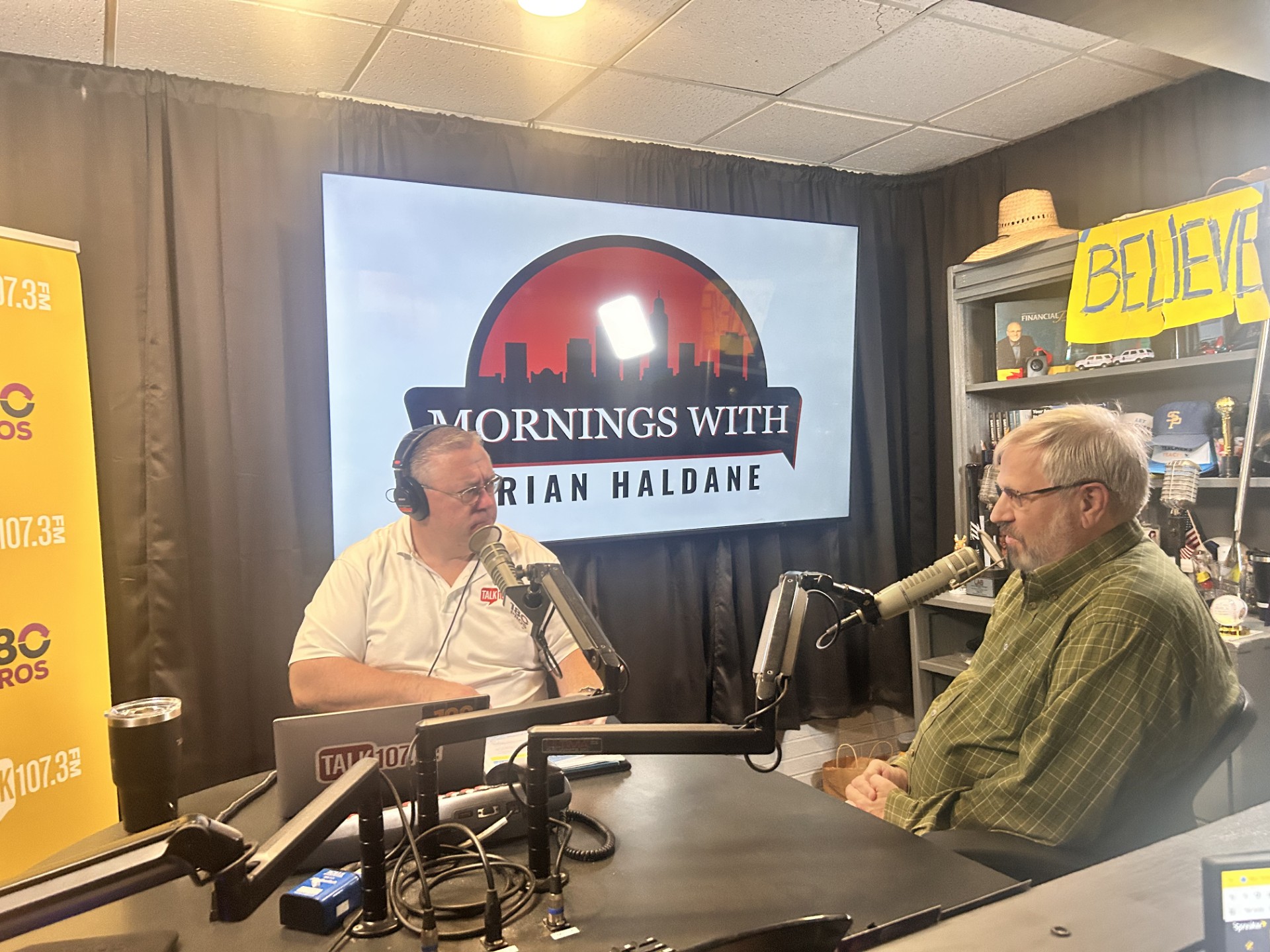



GOP Rallies the Base Ahead of Midterms The Republican Party recently held its first-ever midterm convention in Dallas, structured primarily as a base-mobilization event centered around Donald Trump. Political commentator Jeff Crouere noted that the event aimed to energize core voters who typically turn out for presidential elections but skip midterms. With national approval ratings split, the strategy relies heavily on driving high voter turnout among the party faithful to counter expected enthusiasm from opposition voters.
Economic Concerns Drive Voter Sentiment Despite political maneuvering, everyday economic pressures remain the primary focus for voters. Surging fuel prices and persistent inflation continue to stretch household budgets across the country. Historical trends suggest that domestic financial well-being consistently outweighs foreign policy achievements during election cycles. Political strategists emphasize that addressing cost-of-living challenges with genuine empathy is crucial for any party seeking to win over undecided voters.
The Debate Over Proposed Stimulus Checks Discussions surrounding proposed $5,000 payout checks have sparked debate regarding fiscal responsibility. Critics and fiscal conservatives point out that expanding government spending adds directly to the national debt, which already exceeds $40 trillion. With tariff revenues unable to offset such massive expenditures, analysts caution that additional stimulus measures risks compounding inflationary pressures rather than providing sustainable economic relief.