




Why Jury Selection Could Be Difficult
The upcoming state murder trial of Luigi Mangione could face a major challenge before opening statements: finding an impartial jury.
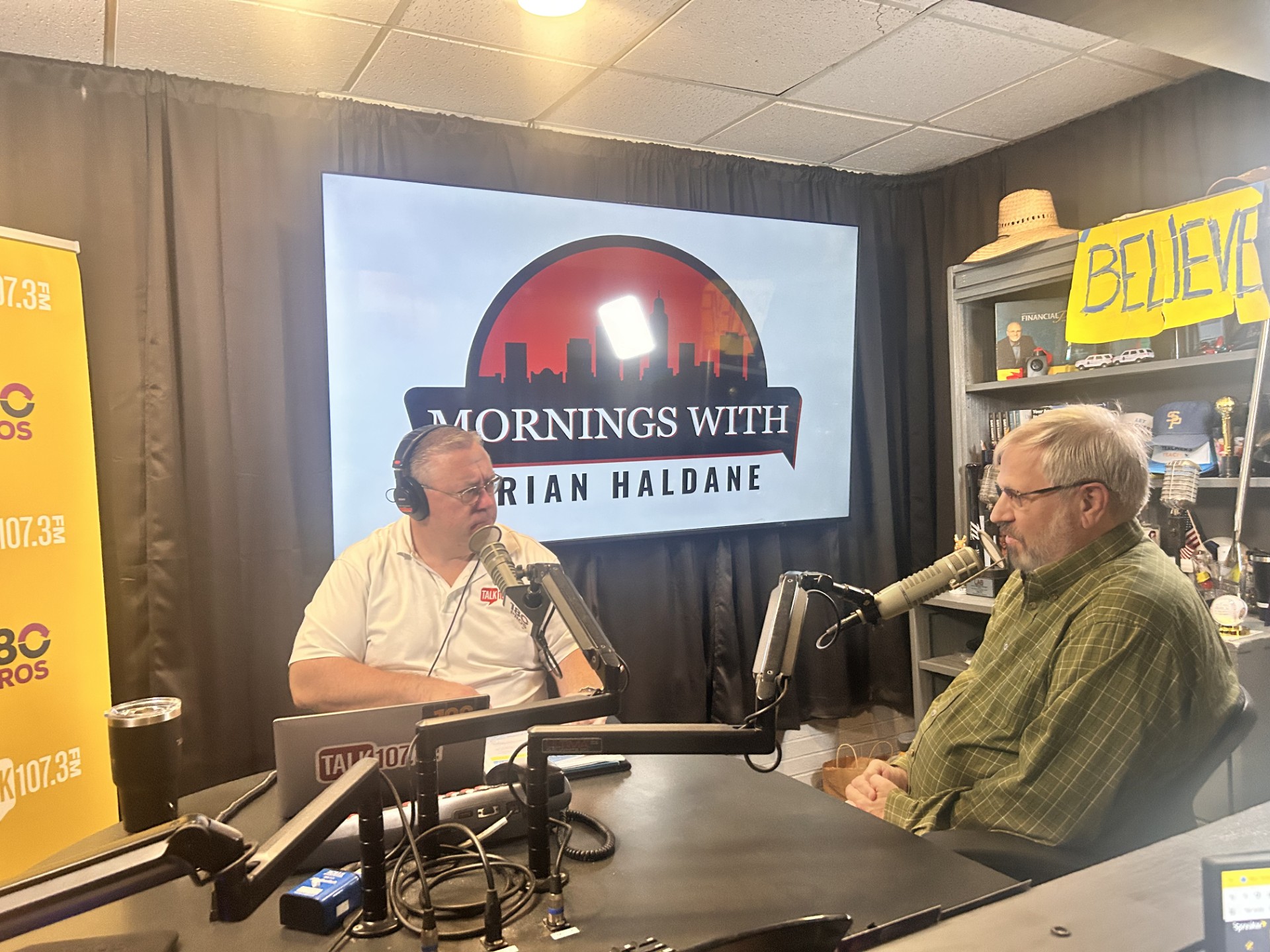
During “Legally Served,” attorney Franz Borghardt discussed the difficulties of selecting jurors in a case that has attracted intense national attention. Mangione is accused of killing UnitedHealthcare CEO Brian Thompson in Manhattan in December 2024, an incident captured on surveillance video.
Because so many people have already formed opinions about the case, attorneys must determine whether potential jurors can set those opinions aside. Borghardt said the process could become especially difficult when potential jurors also fear harassment or threats.
What Does an Anonymous Jury Mean?
A New York judge has ordered an anonymous jury to help protect jurors from harassment, intimidation and outside pressure.
Borghardt explained that anonymity generally means limiting identifying information such as jurors’ names, images and personal details. Instead of publicly identifying jurors, the court could use numbers while still allowing attorneys to conduct jury selection.
However, anonymity does not mean the courtroom becomes completely private. Courts generally remain open to the public, creating challenges in protecting jurors from identification.
Technology Creates New Risks
Modern technology could make protecting juror identities even harder. People outside the courtroom could potentially photograph jurors and use facial-recognition technology or online research to identify them.
That creates another concern: misidentification. Someone attempting to expose a juror could mistakenly identify an innocent person, potentially putting that individual at risk.
The Bigger Legal Question
The case also raises questions about public opinion and jury nullification. Some supporters have portrayed Mangione as a symbol of anger toward the health insurance industry. Borghardt stressed, however, that public sympathy does not change the law.
Ultimately, prosecutors and defense attorneys will face the difficult task of finding jurors who can remain fair and impartial despite intense media coverage, public pressure and personal opinions.