


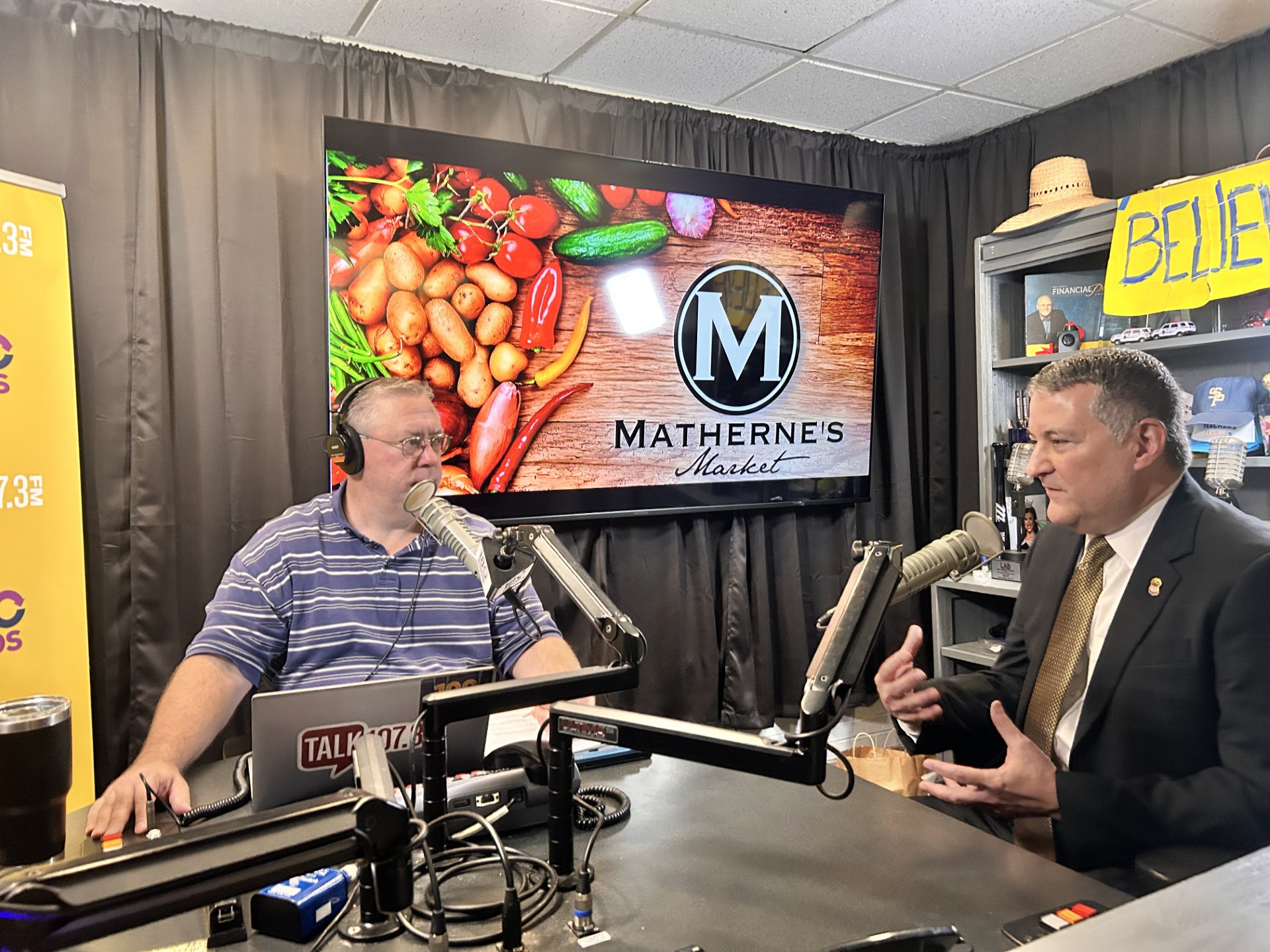
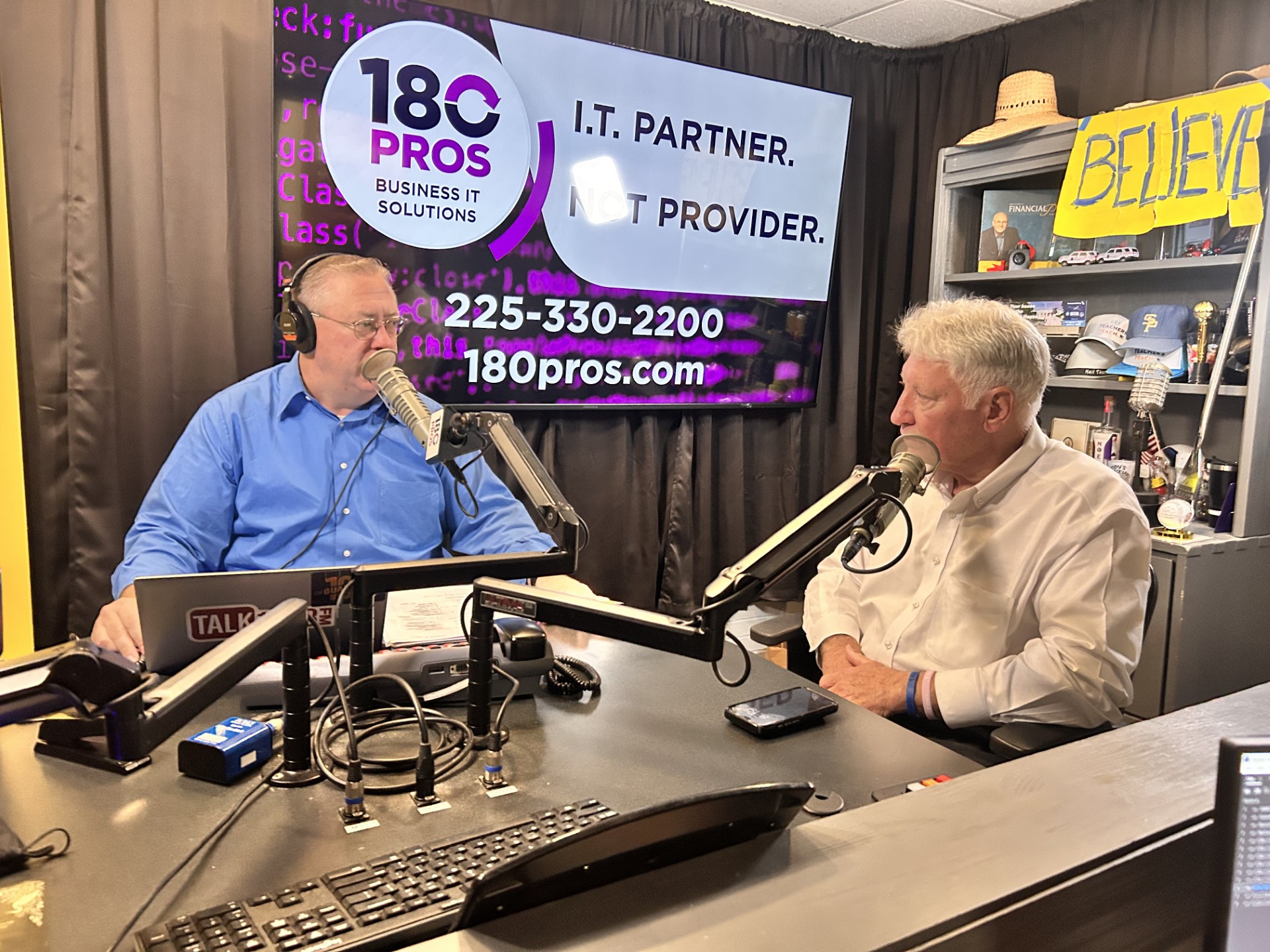
U.S. Deputy Energy Secretary James Danly says hurricane prep, grid reliability and nuclear energy all play a major role in America’s energy future.
Danly joined Talk 107.3’s “Mornings with Brian Haldane” and explained how the Department of Energy helps coordinate emergency response when storms threaten the power grid. He said most storm outages happen at the local distribution level, where high winds or ice can knock down poles and lines.
“The transmission line is very, very robust,” Danly said, while noting that neighborhood-level distribution lines usually cause the most customer outages.
Danly said the federal government helps provide a framework for utilities, states and local emergency response teams to coordinate during major weather events. He pointed to winter storm response as an example, when tens of thousands of mutual assistance line workers moved across borders to help restore power.
He also discussed backup generation. Danly said many large industrial facilities and data centers have diesel generators that can reduce strain on the grid during emergencies. Those generators can help when power supply gets tight or when transmission problems limit how electricity moves from one place to another.
The conversation then shifted to nuclear energy. Danly said the administration wants to speed up development of small modular reactors. He described the reactor pilot program as part of a larger push to bring new nuclear technology closer to commercial use.
Danly said smaller reactors can offer flexibility because they cost less to build, fit in more locations and require fewer major transmission upgrades than massive nuclear plants.
He also pushed back on public concern over nuclear power. Danly said the United States already operates the world’s largest nuclear fleet and has a strong safety record.
“Nuclear power is going to be part of the solution going forward,” Danly said
.