



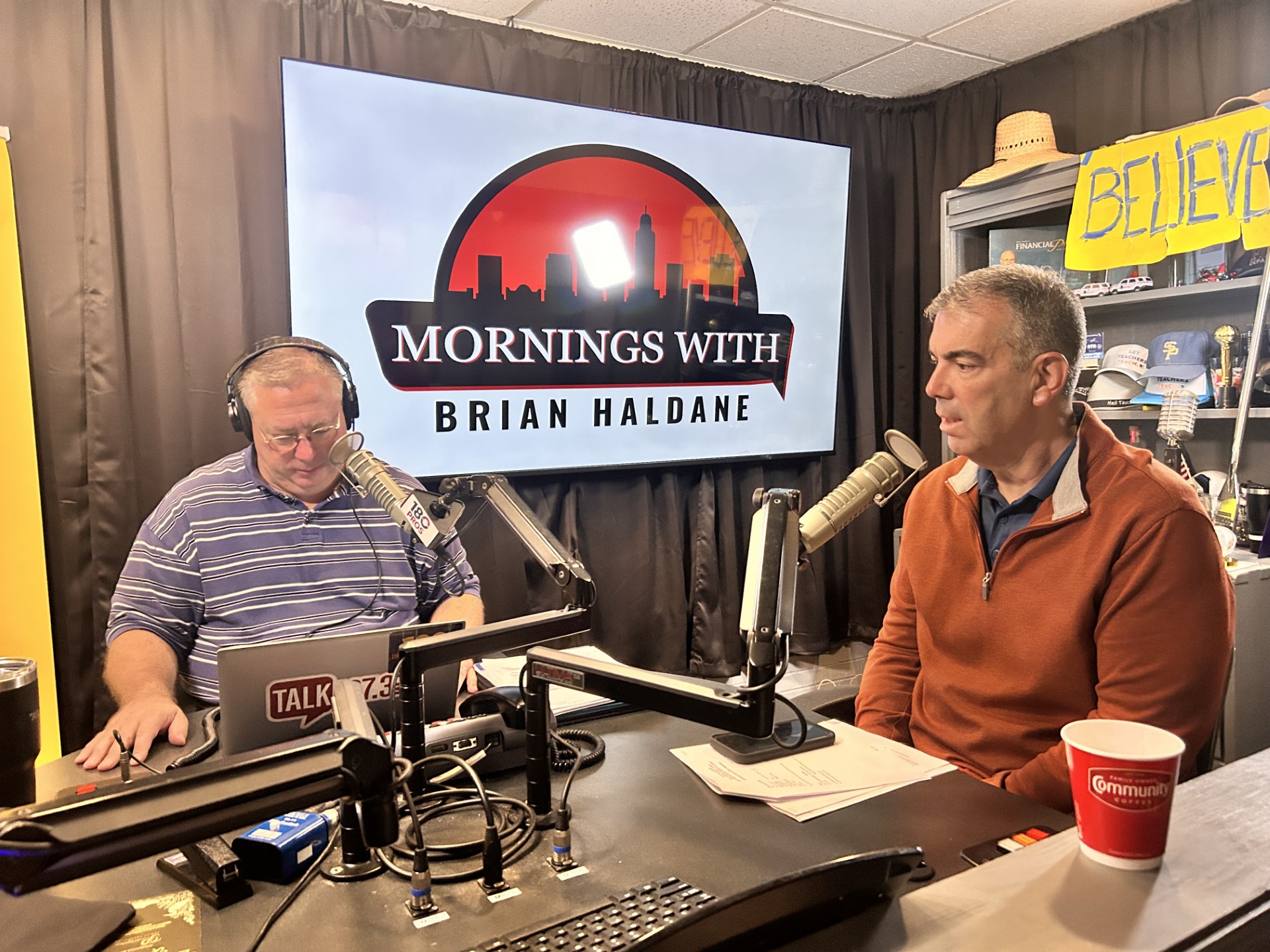
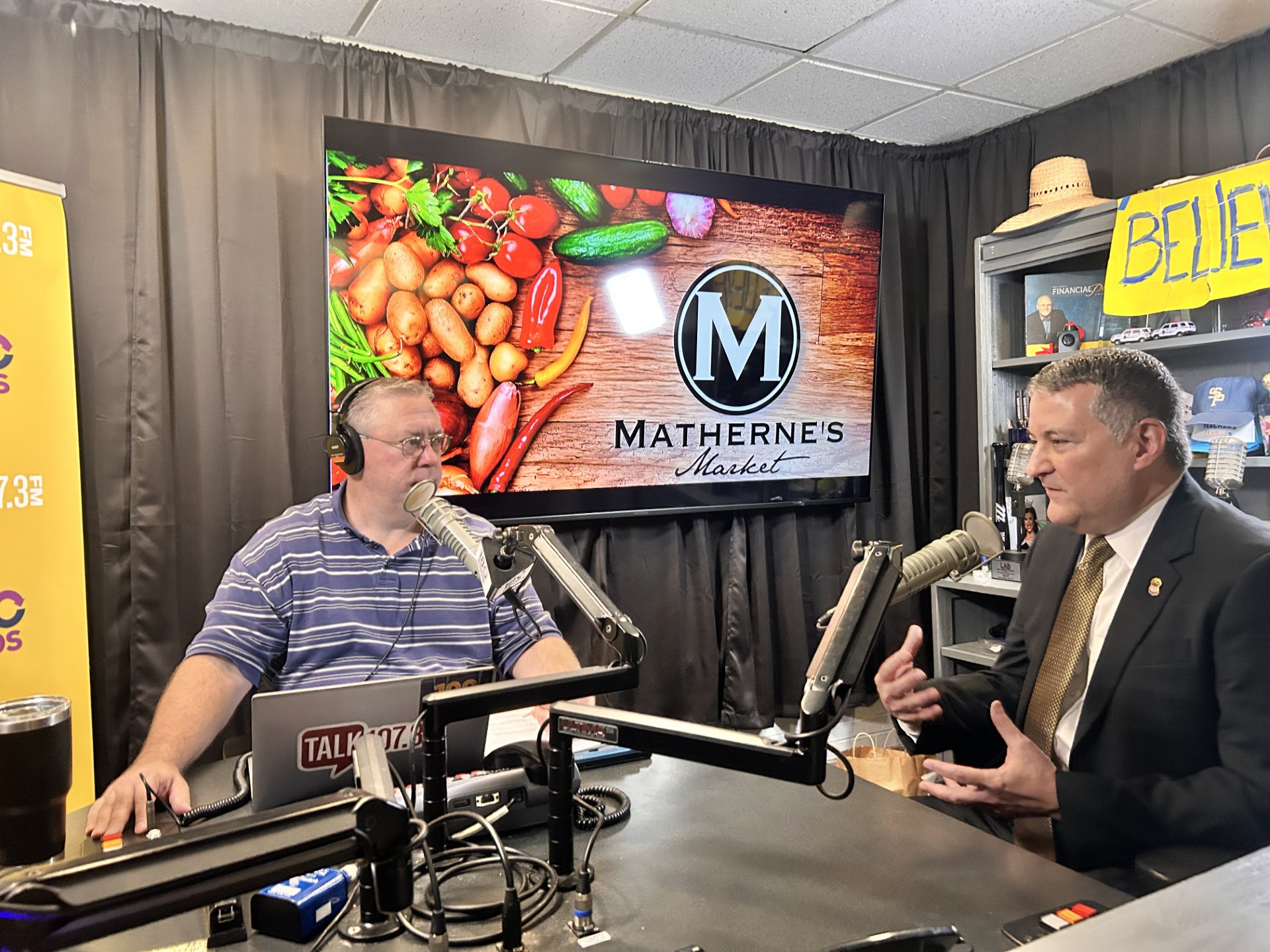


Louisiana’s energy sector is helping protect Americans from the worst effects of the ongoing global oil crisis, according to Gifford Briggs of the American Petroleum Institute. Briggs discussed the issue during a recent interview, highlighting how domestic energy production has changed the nation’s position in the global market.
Why This Energy Crisis Is Different
Briggs said the closure of the Strait of Hormuz and conflict involving Iran have removed millions of barrels of oil from the global market. In past decades, disruptions of that size often led to severe fuel shortages and dramatic price spikes. This time, the impact has been less severe in the United States.
He credits increased domestic production, especially through advances in horizontal drilling and hydraulic fracturing. Those technologies have allowed the United States to produce more oil and natural gas than ever before.
Louisiana Plays a Major Role
Louisiana has become a key player in the nation’s energy strategy. Briggs pointed to the state’s leadership in liquefied natural gas exports and the growth of production from the Haynesville Shale.
He noted that Louisiana now serves as a major hub for global LNG exports. That production helps keep natural gas prices lower in the United States than in many parts of Europe. According to Briggs, some European countries are paying significantly more for natural gas than American consumers.
Challenges Remain
Despite the benefits of domestic production, Briggs said the United States is still connected to global energy markets. Some damaged infrastructure overseas may take months or years to repair. As a result, energy prices remain vulnerable to international events.
Still, Briggs believes the growth of American energy production has provided an important buffer. He said it has helped prevent the supply shortages and severe disruptions that many experts feared when the conflict began.