






Louisiana is positioning itself as a strong player in the future of nuclear energy. Industry leaders say the state already has the tools needed to support growth, even without key raw materials.
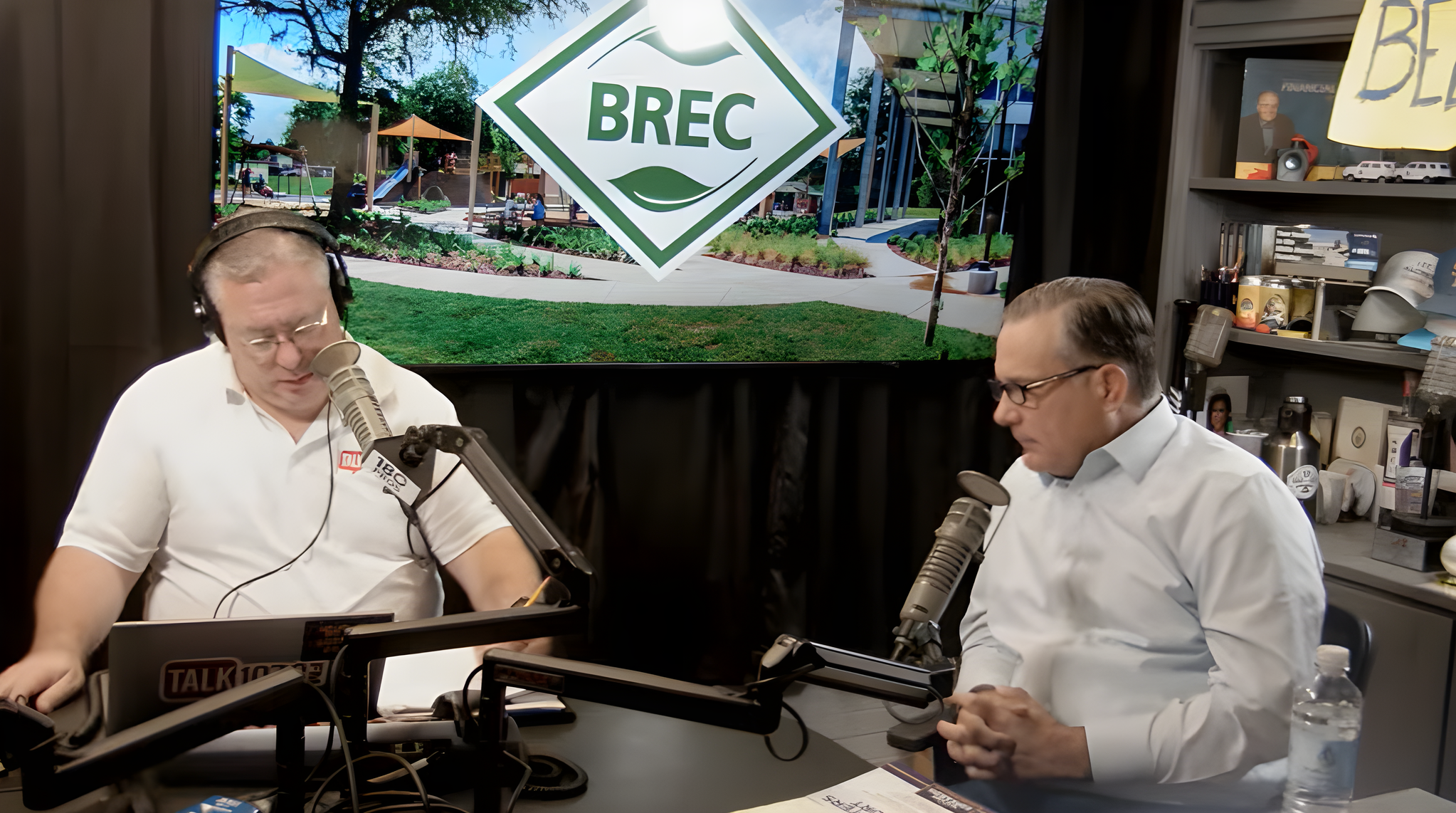
Patrick Riley with the Louisiana Chemistry Association says nuclear energy relies heavily on chemistry. From processing uranium to creating usable fuel, every step involves complex chemical systems. That aligns well with Louisiana’s existing industrial base.
Strong Foundation Already in Place
Louisiana does not mine uranium. However, that is not a dealbreaker. Riley says the state already imports materials for other industries, so adding nuclear feedstock fits current operations.
He points to several advantages:
- Established port systems for importing materials
- A skilled industrial workforce
- Existing chemical and manufacturing infrastructure
These factors make Louisiana a natural fit for nuclear development once materials arrive.
Cost Remains the Biggest Barrier
The biggest challenge facing nuclear energy is cost. Building reactors requires major upfront investment. However, costs drop over time as more reactors are built using the same design.
Riley says newer approaches, like small modular reactors (SMRs), could change the game. These smaller systems can be built faster and repeated at scale, driving down costs over time.
Reliable Power Drives Demand
Nuclear energy offers a key advantage. It produces constant, 24/7 power. That reliability is critical for industries that cannot afford interruptions.
Right now, nuclear energy already provides about 20 percent of U.S. electricity. In Louisiana, it accounts for roughly 14 percent.
Public Perception Still a Hurdle
Education is another challenge. Many people still associate nuclear energy with past disasters. Riley says modern reactors are far safer and built with advanced systems that prevent those issues.
He believes better public understanding will play a major role in future expansion.
Louisiana may not have uranium in the ground. Still, experts say the state has everything else needed to power the next phase of nuclear energy.