



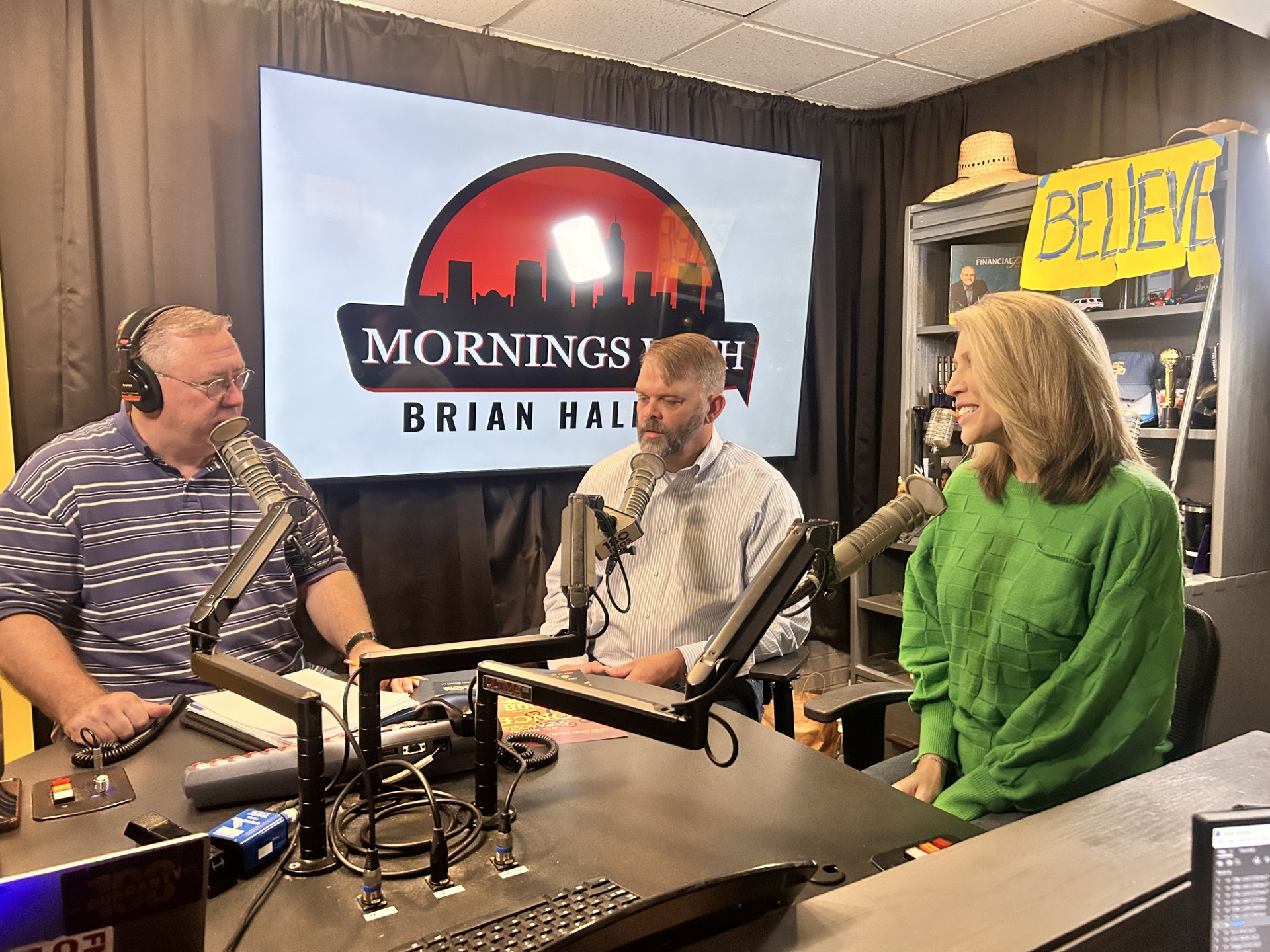
Over the past two months, Louisiana State University has undergone one of the most dramatic leadership shake-ups in its history. From the dismissal of head football coach Brian Kelly to the appointment of a new president, chancellor, and athletic director, LSU’s Board of Supervisors has been at the center of a whirlwind of decisions aimed at restoring stability and excellence. Scott Ballard, chair of the Board of Supervisors, shared an inside look at how these moves unfolded and why they were necessary.
The End of the Brian Kelly Era
Ballard explained that the decision to part ways with Kelly was not taken lightly. Despite Kelly’s reputation and past success, LSU’s expectations are clear: top-tier performance and unwavering energy. “You pay top-four money to perform,” Ballard said, noting that the atmosphere in Tiger Stadium had shifted dramatically. “You lost your own people in Tiger Stadium… LSU expects more, demands more.” The board agreed that it was time for a change, a sentiment echoed by fans and even Governor Jeff Landry, whose early comments on the contract controversy proved prescient.
Leadership Transitions: From Woodward to Verge
The departure of Athletic Director Scott Woodward was another pivotal moment. While the transition appeared seamless from the outside, Ballard emphasized the importance of process and inclusion. “We don’t get to pick when circumstances present themselves,” he said, explaining that Verge Ausberry was the clear choice to bring stability and experience during a turbulent period. “Verge is a heck of an administrator… He has bled LSU his whole life.”
Academic Leadership: A Historic Hire
Beyond athletics, LSU faced the challenge of replacing its president and chancellor. Ballard described a meticulous search process that included faculty, healthcare leaders, and students. The result was the appointment of Dr. Wade Roos, the first Louisiana-born president in LSU history. “It wasn’t a requirement, but it was something we wanted if possible,” Ballard said. Roos brings a unique blend of academic credentials and real-world experience, including a Ph.D. in economics and time on the Chicago Board of Trade. His track record in workforce development and economic strategy made him an ideal fit for LSU’s vision of becoming a top-tier institution.
The Lane Kiffin Coup
Perhaps the most headline-grabbing move was LSU’s successful pursuit of Lane Kiffin. Ballard revealed that Kiffin was the target from the start, but the process was far from easy. “Lane had a very tough decision to make,” Ballard said, noting that negotiations stretched into the final hours before the announcement. “We started to feel really comfortable Friday, but it was pretty last minute.” Ultimately, LSU’s persistence paid off, landing a coach who called the LSU job “the best in America.” For Ballard, the hire underscores LSU’s commitment to excellence: “We deserve the best, we expect the best.”
What’s Next for LSU?
With new leadership in place across athletics and academics, Ballard believes LSU is positioned for long-term success. “LSU is bigger than all of us,” he said. “We had a process, we had people in place, and this was thought out.” As the Tigers look ahead to a new era under Lane Kiffin and Dr. Wade Roos, one thing is clear: LSU isn’t just rebuilding—it’s aiming higher than ever.