




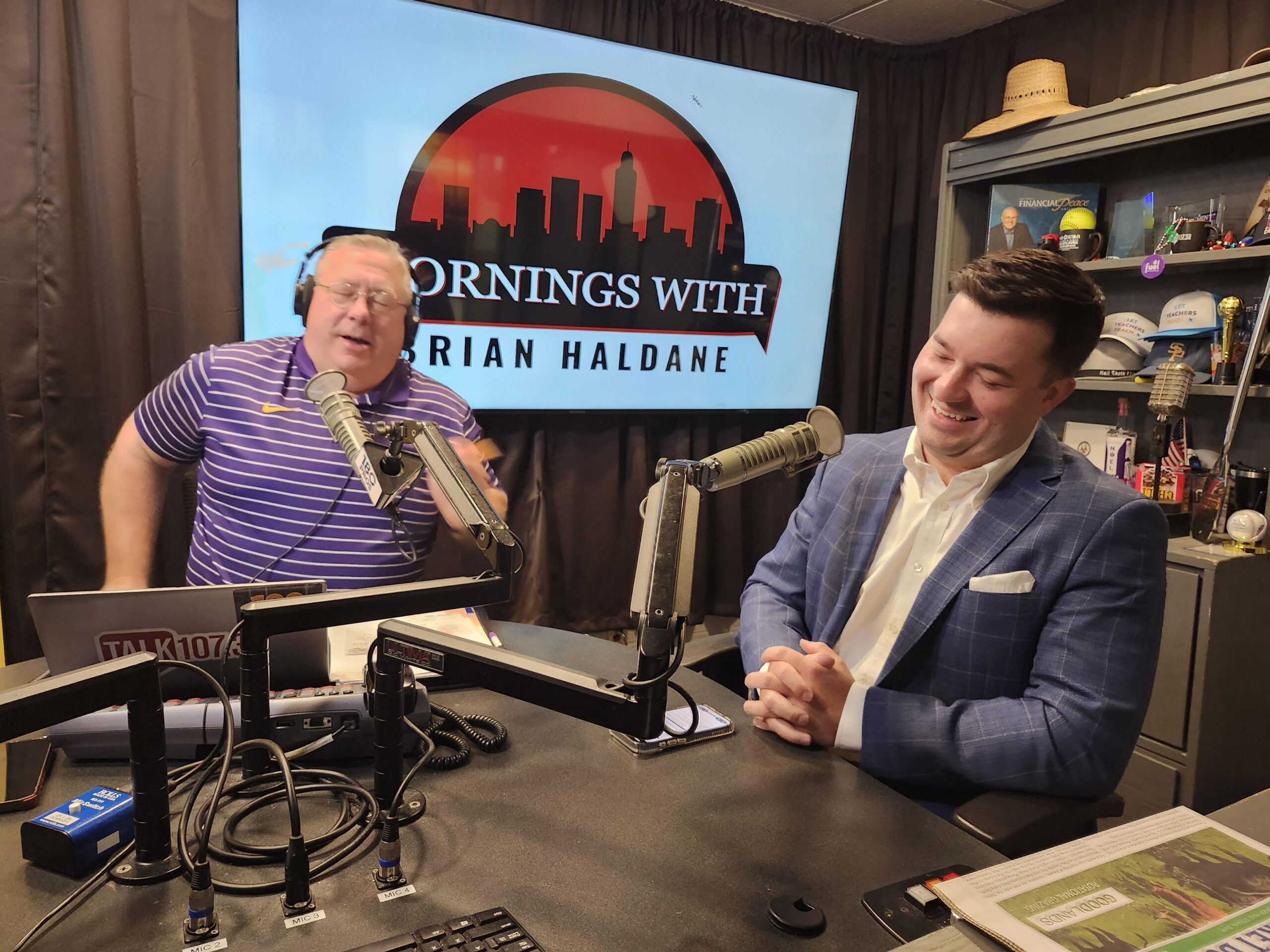
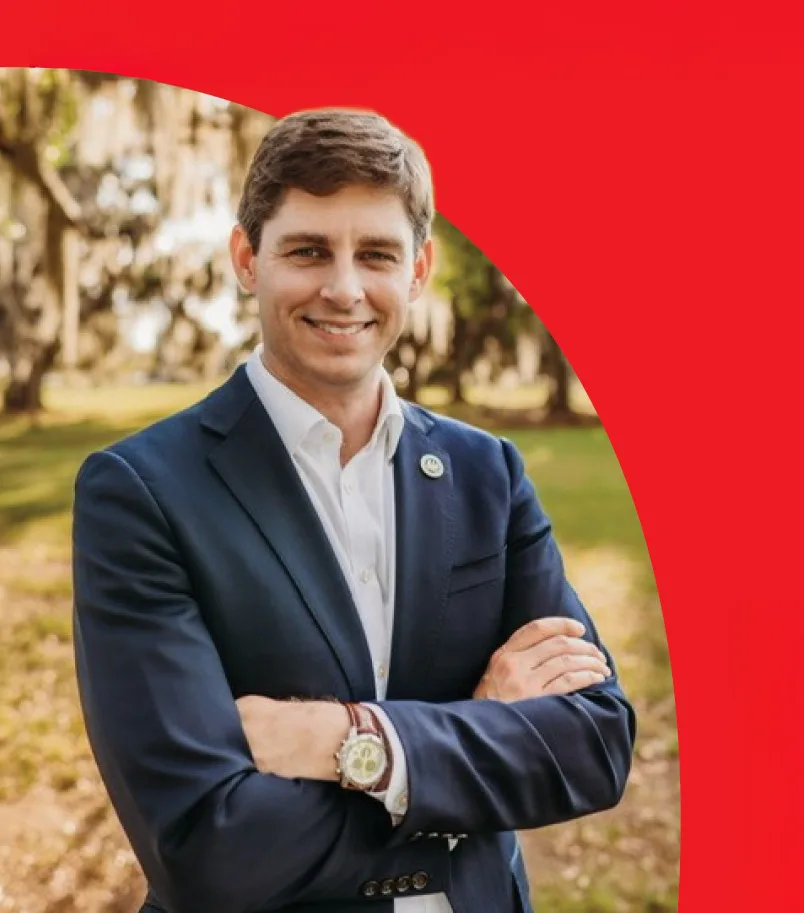
State Representative Dixon McMaken of District 68 joins the show to unpack the recent failure of three local ballot propositions in Baton Rouge, including the Thrive initiative. McMaken emphasized that messaging and clarity were central problems. Unlike past successful measures such as the MoveBR traffic project, voters this time lacked certainty about where funds would go. He argued that every question must be answered to “leave no doubt,” but acknowledged that bundling multiple proposals together often creates confusion and resistance. Voters prefer straightforward, single‑issue measures rather than complex packages tied to one another.
The library millage, historically successful, failed as part of this bundled approach. McMaken noted that while libraries enjoy strong public support, linking their funding to other initiatives hurt their chances. He raised questions about reserves, millage laws, and whether voters will support future requests given skepticism about government spending. Other agencies, like the Council on Aging and mosquito abatement, have already reduced their requests voluntarily, highlighting the broader struggle of balancing city needs with taxpayer trust.
The discussion also touched on political dynamics. Mayor Sid Edwards faced rejection of his first major plan despite broad support from mayors and council members. McMaken stressed that voter sentiment, turnout, and even timing around LSU and Southern football games can sway outcomes. With only 19% turnout, the challenge remains mobilizing citizens to vote for tangible improvements rather than abstract tax measures. He pointed out the irony that districts most reliant on libraries were the ones voting against them, a case of “cutting off your nose to spite your face.”
Ultimately, McMaken framed the defeat as an opportunity: leaders must regroup, hold town halls, and refine proposals. Just as in football, if one play fails, you adjust strategy. The lesson is clear—transparency, simplicity, and timing are key to winning voter trust.