


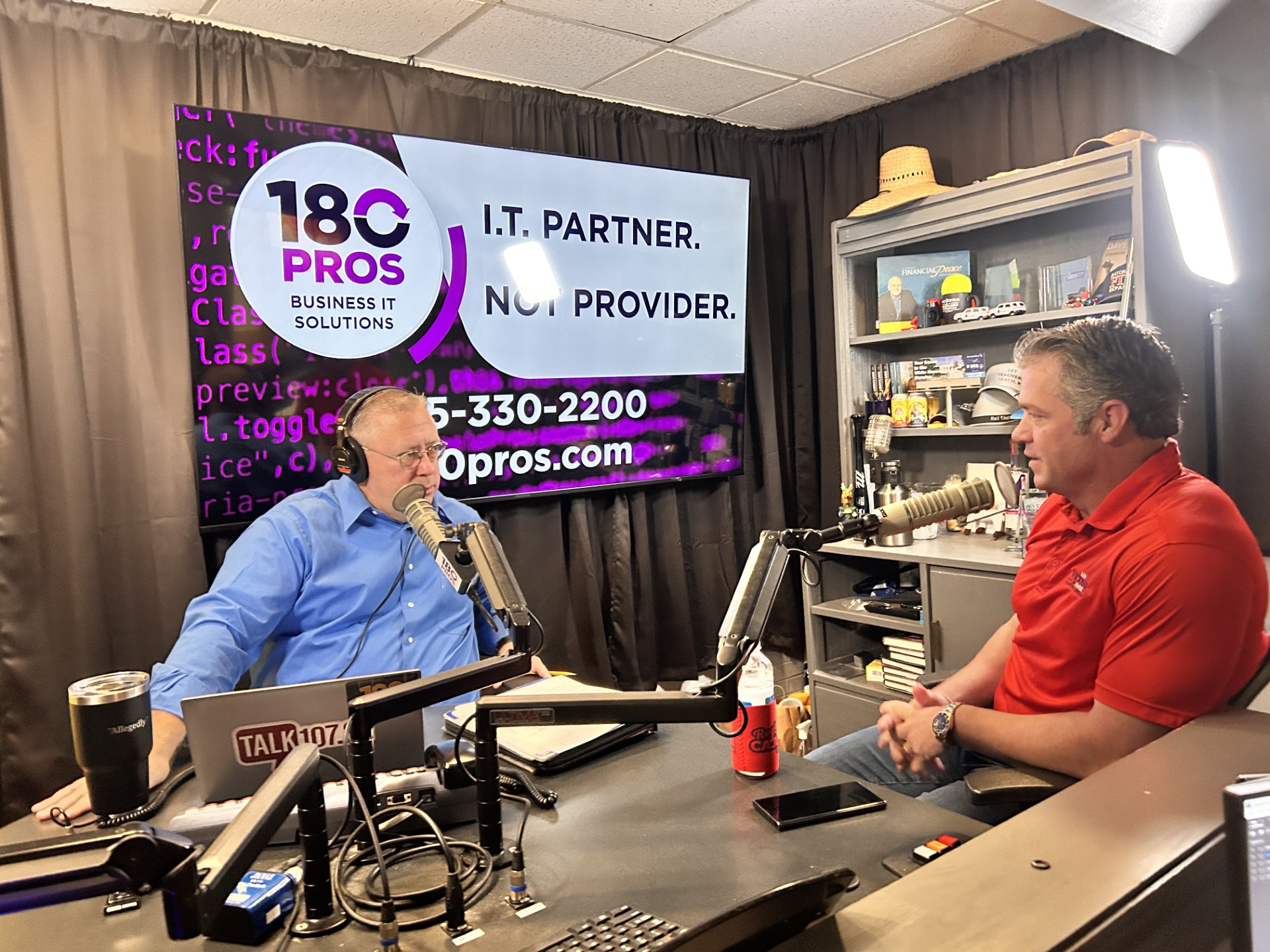




Managing regional development while protecting established neighborhoods requires a deliberate, forward-thinking strategy. As Central navigates its modern election cycle, Mayoral Candidate Lon Vicknair outlines a balanced framework centered on smart infrastructure, controlled growth, and regional flood mitigation.
+-------------------------------------------------------------+
|               Central's Strategic Growth Pillars            |
+-------------------------------------------------------------+
|  1. Infrastructure  | Expanding key corridors (Hooper Rd)   |
|  2. Flood Control   | Local drainage & regional partnerships|
|  3. Smart Growth    | Selective commercial & housing plans  |
|  4. Education       | Synchronizing city and school borders |
+-------------------------------------------------------------+
Strengthening Infrastructure Before Expansion
Smart development begins with targeted infrastructure investments before approving large-scale projects. Major thoroughfares, including the upcoming expansion on Hooper Road and the completion of Sullivan Road, serve as vital economic corridors. Completing these roadway networks allows the city to selectively integrate new businesses that match Central’s distinct local character rather than pursuing growth for its own sake.
Balancing Housing and School District Alignment
Housing expansion requires careful coordination with local school resources. Central’s high-performing school district remains a primary driver for families seeking to establish roots. However, discrepancy between city limits and school district boundaries presents unique growth challenges. Managing potential growth outside city boundaries protects educational capacity and prevents municipal overextension.
Proactive Regional Flood Mitigation
Flood protection remains the top priority for Central residents. Effective mitigation demands a dual approach: maintaining municipal drainage networks while actively collaborating with state and federal entities. Key regional initiatives, such as the Comite Diversion project and efforts by the Amite River Basin Commission, play an essential role in long-term risk reduction.
Integrating Predictive Modeling for Future Planning
Sustainable growth requires data-driven decision-making. Utilizing predictive hydrological modeling ensures new commercial and residential developments do not create unintended drainage vulnerabilities down the road. Aligning land-use strategies with a comprehensive master plan safeguards current properties while accommodating planned future expansion.