




Lindsay Clancy Case Raises Questions About Defense Strategy
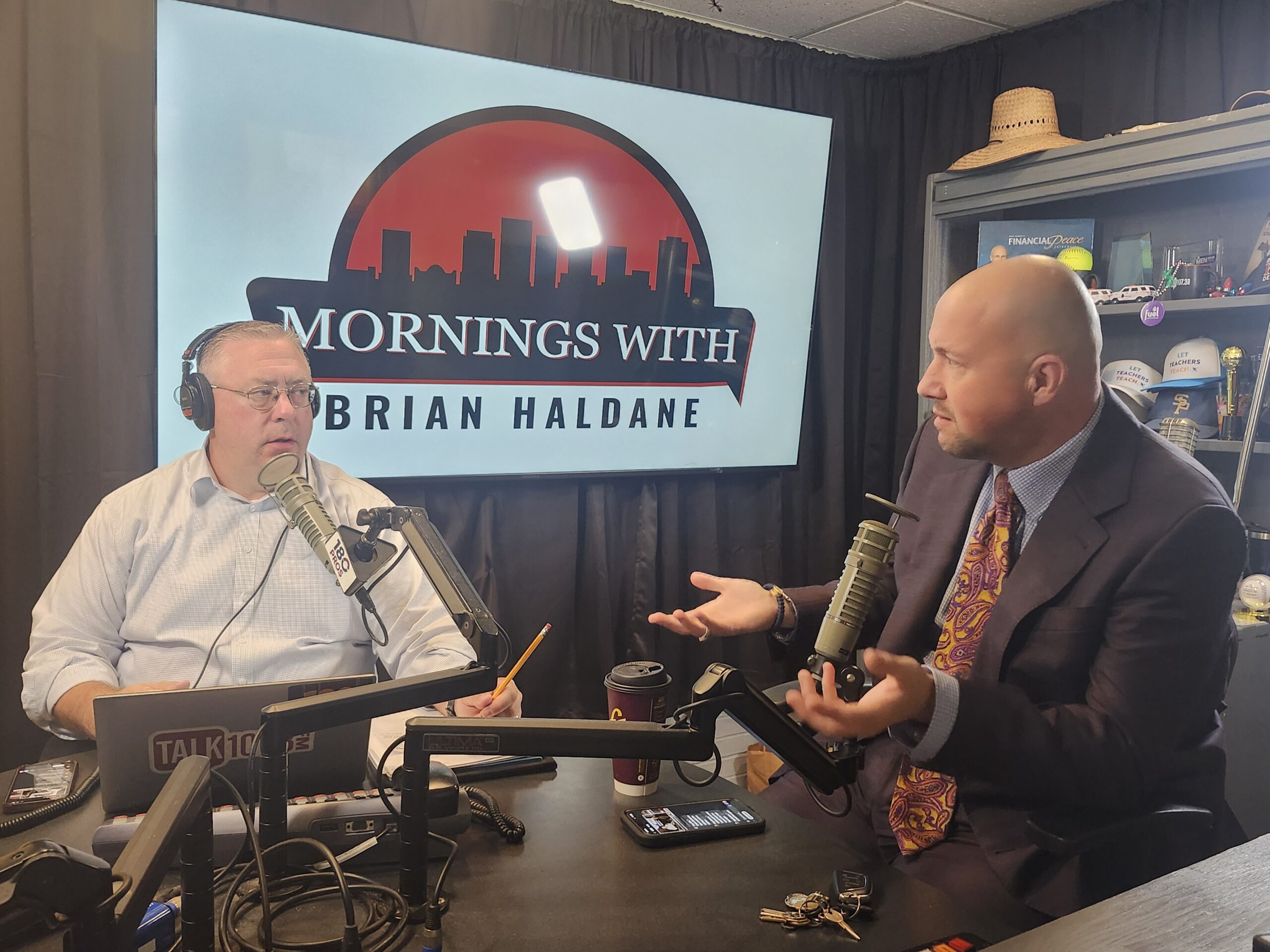
Attorney Franz Borghardt joined Brian Haldane on Mornings With Brian Haldane for a wide-ranging discussion of two high-profile legal stories.
The conversation began with the Lindsay Clancy case in Massachusetts. Clancy faced charges related to the deaths of her three children, and her first trial ended with a hung jury. Borghardt explained the distinction between a defense based on insanity and an argument that prosecutors failed to prove that a killing occurred.
The discussion focused heavily on statements made by Clancy’s attorney during the first trial and subsequent court proceedings. Borghardt noted that attorneys can change their legal strategy, but he questioned whether shifting arguments could create problems in the court of public opinion or with potential jurors.
He also explained an important courtroom distinction: testimony and evidence from a prior proceeding can potentially become relevant in a subsequent trial, while arguments made by attorneys generally do not become evidence.
New Orleans Grand Jury Investigation Draws Attention
The discussion then turned to a developing investigation involving a dismissed indictment in New Orleans. According to the material discussed on the program, Louisiana State Police requested a special prosecutor to investigate whether criminal violations occurred during grand jury proceedings.
Possible issues mentioned during the broadcast included perjury, jury tampering, obstruction of justice and malfeasance in office. Borghardt emphasized that the investigation remained ongoing and that allegations had not been established as facts.
What Happens Next?
Borghardt said the investigation could have broader implications for criminal cases involving grand juries in Orleans Parish. He stressed the importance of allowing investigators to determine what actually happened before drawing conclusions.
The segment highlighted how quickly legal narratives can change as new evidence emerges—and why understanding the difference between allegations, evidence and established facts matters in high-profile cases.