



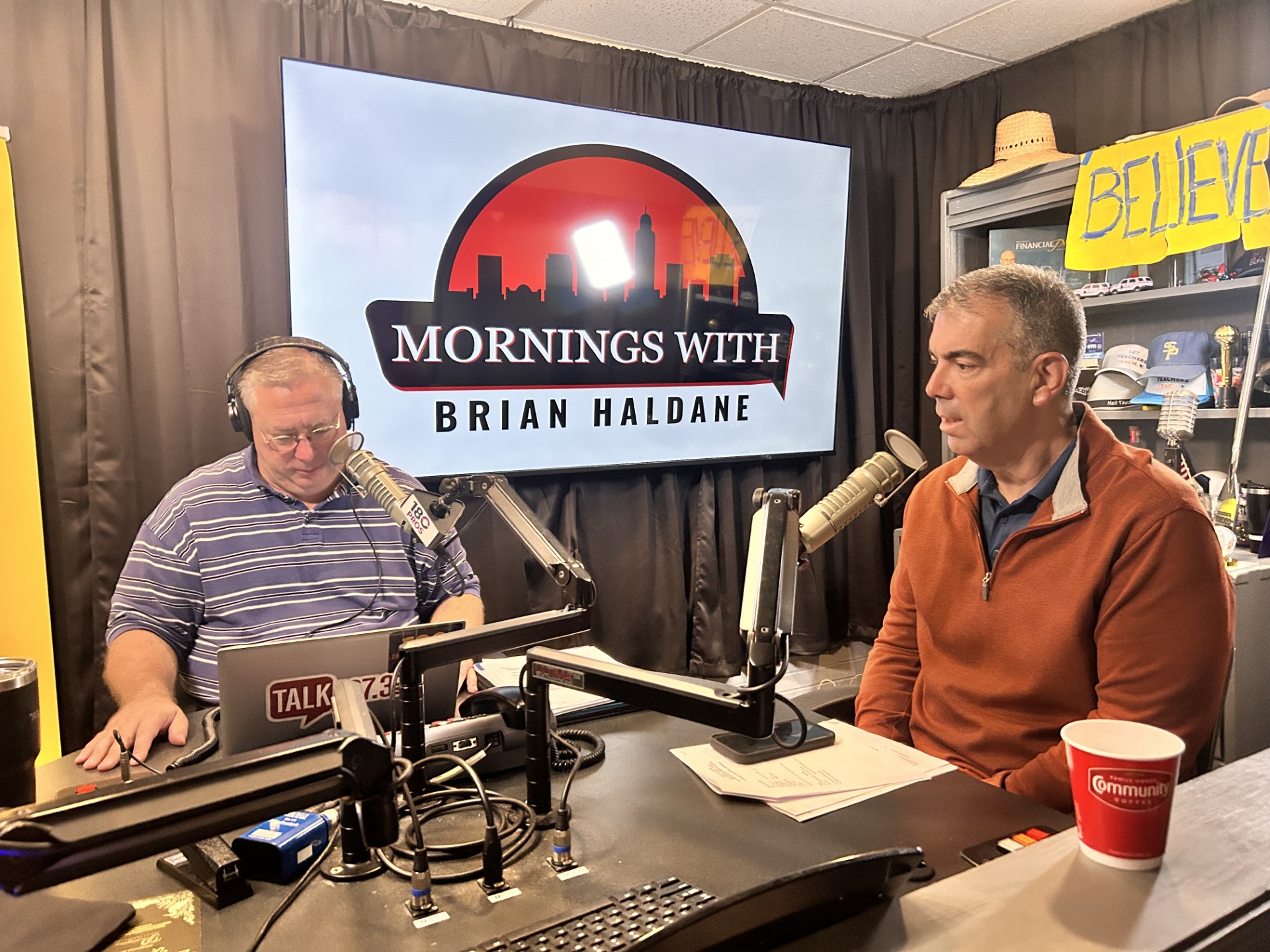



Louisiana’s ongoing coastal lawsuits continue to raise concerns about the state’s economy, legal system, and future business growth. During a recent discussion, State Representative Joseph Orgeron outlined the real-world impact these cases could have across coastal parishes and beyond.
Economic Pressure on Coastal Communities
Orgeron stressed that coastal regions depend heavily on the oil and gas industry. Many local leaders worry that large-scale lawsuits could harm the very sector that supports jobs and regional economies. He described the situation as “don’t bite the hand that feeds you,” pointing to the industry’s long-standing role in southeast Louisiana.
At the center of the debate is whether companies should face penalties for actions that followed regulations at the time. Many of the lawsuits focus on activities from decades ago, before modern environmental laws existed. That raises a key legal question: can current standards apply to past actions?
Billions at Stake
The financial scale is massive. One case in Plaquemines Parish resulted in a $745 million judgment, now under appeal. With dozens of similar lawsuits pending, total exposure could reach tens of billions of dollars.
Orgeron warned that payouts of that size could make Louisiana less attractive to new businesses. Companies may hesitate to invest if they fear future legal action tied to past operations.
Environmental Reality vs. Legal Responsibility
The lawsuits also tie into coastal erosion. Orgeron explained that leveeing the Mississippi River cut off sediment flow, while oil and gas canals allowed saltwater intrusion. Both factors contributed to land loss.
Still, he questioned whether the industry should carry the full financial burden, especially since it already funds much of the state’s coastal restoration through taxes and settlements.
What Happens Next
A key issue now sits before higher courts: whether these cases belong in federal or state court. That decision could shape the future of all related lawsuits.
For Louisiana, the outcome will influence not only coastal restoration but also its reputation as a place to do business.