




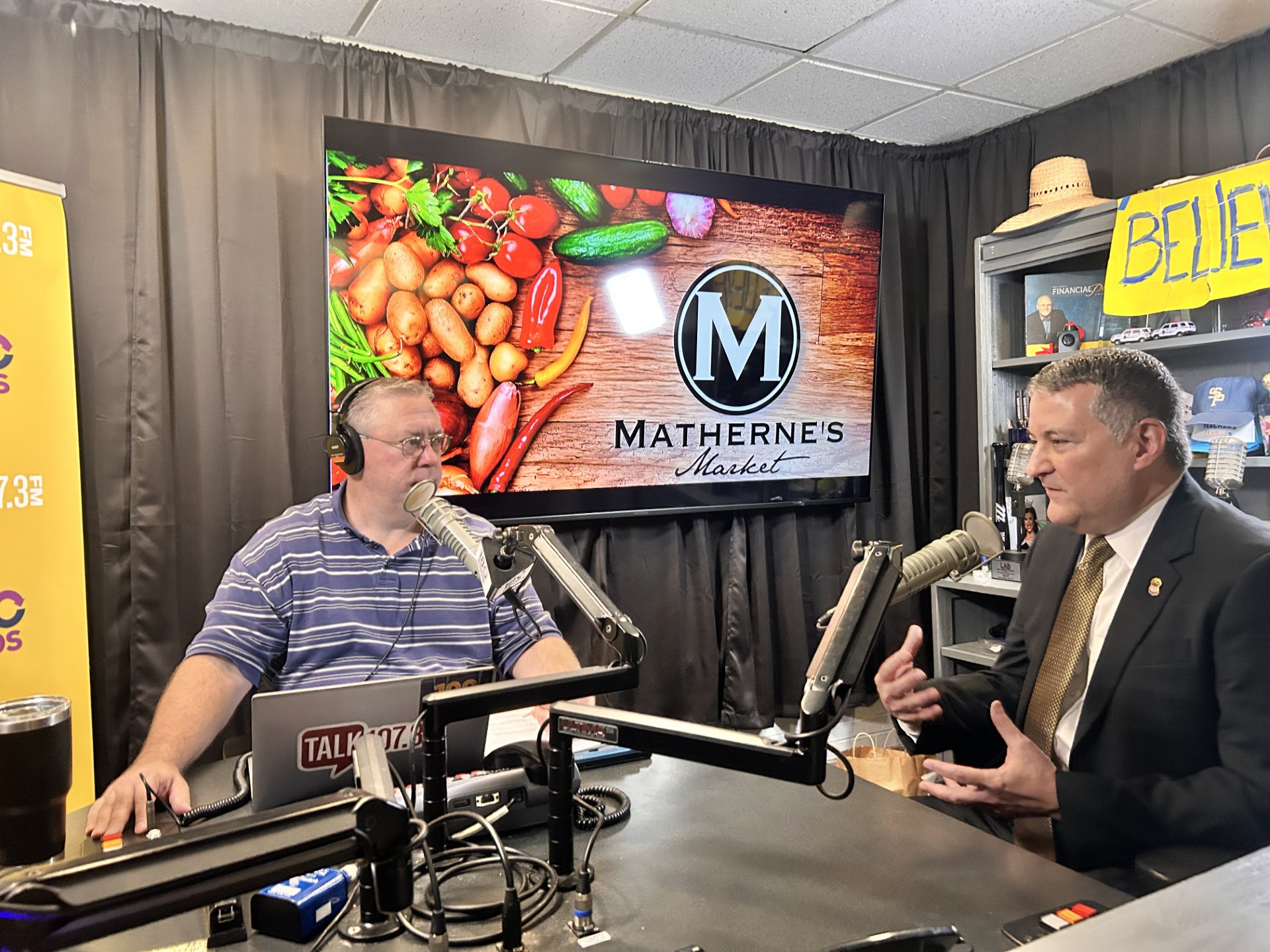


Louisiana lawmakers continue to debate carbon sequestration as the state balances energy production with environmental concerns. State Representative Joe Orgeron recently shared his evolving stance, shifting from opposition to support. He said the move comes from a clear goal: keep Louisiana competitive in global energy production while adapting to future demands.
Energy Production Still Drives the Conversation
Orgeron stressed that hydrocarbons will remain part of the global energy mix for years. Louisiana plays a key role. The Gulf of Mexico produces oil and gas with a lower carbon footprint than many regions. The state also has strong infrastructure, including pipelines and refineries.
He said carbon sequestration helps extend that advantage. The process captures carbon dioxide and stores it underground. It supports continued production while addressing emissions concerns.
Safety Concerns Remain Front and Center
Critics continue to raise safety questions. Orgeron acknowledged those concerns but compared them to existing oil and gas operations. He pointed out that pipelines and drilling have operated safely for decades in Louisiana.
Some opponents worry about underground storage risks. Others question long-term oversight if companies leave projects behind. Supporters argue that regulations, monitoring wells, and financial safeguards can reduce those risks.
Technology and Geology Offer Opportunity
Supporters highlight Louisiana’s natural advantage. The state has deep underground formations that can store carbon safely. These include empty reservoirs and porous rock layers.
Orgeron also noted that carbon capture is not new. The oil industry has used similar methods for decades in enhanced oil recovery. He believes scaling the technology will meet growing global demand for carbon management.
Debate Continues at the Capitol
Lawmakers are still working through legal and regulatory questions. Issues like property rights and local control remain unresolved.
Despite the disagreements, one thing is clear. Carbon sequestration will stay a major topic in Louisiana’s energy future.