


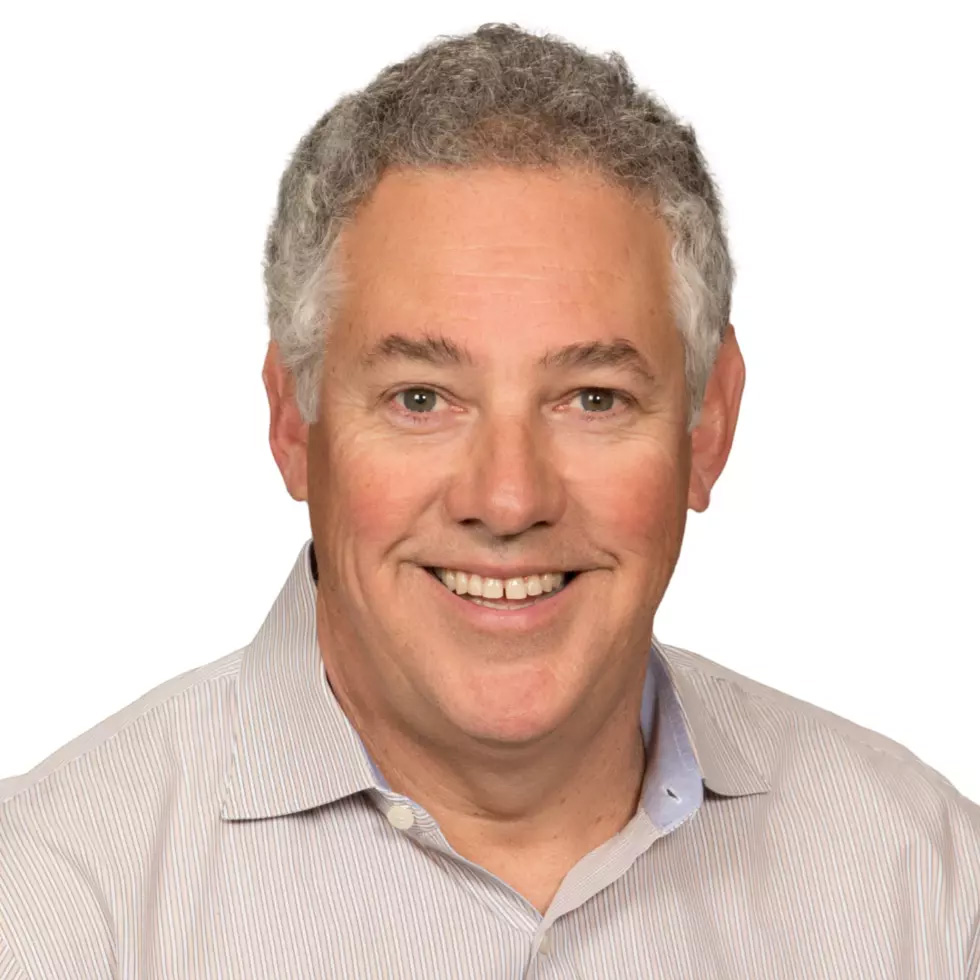
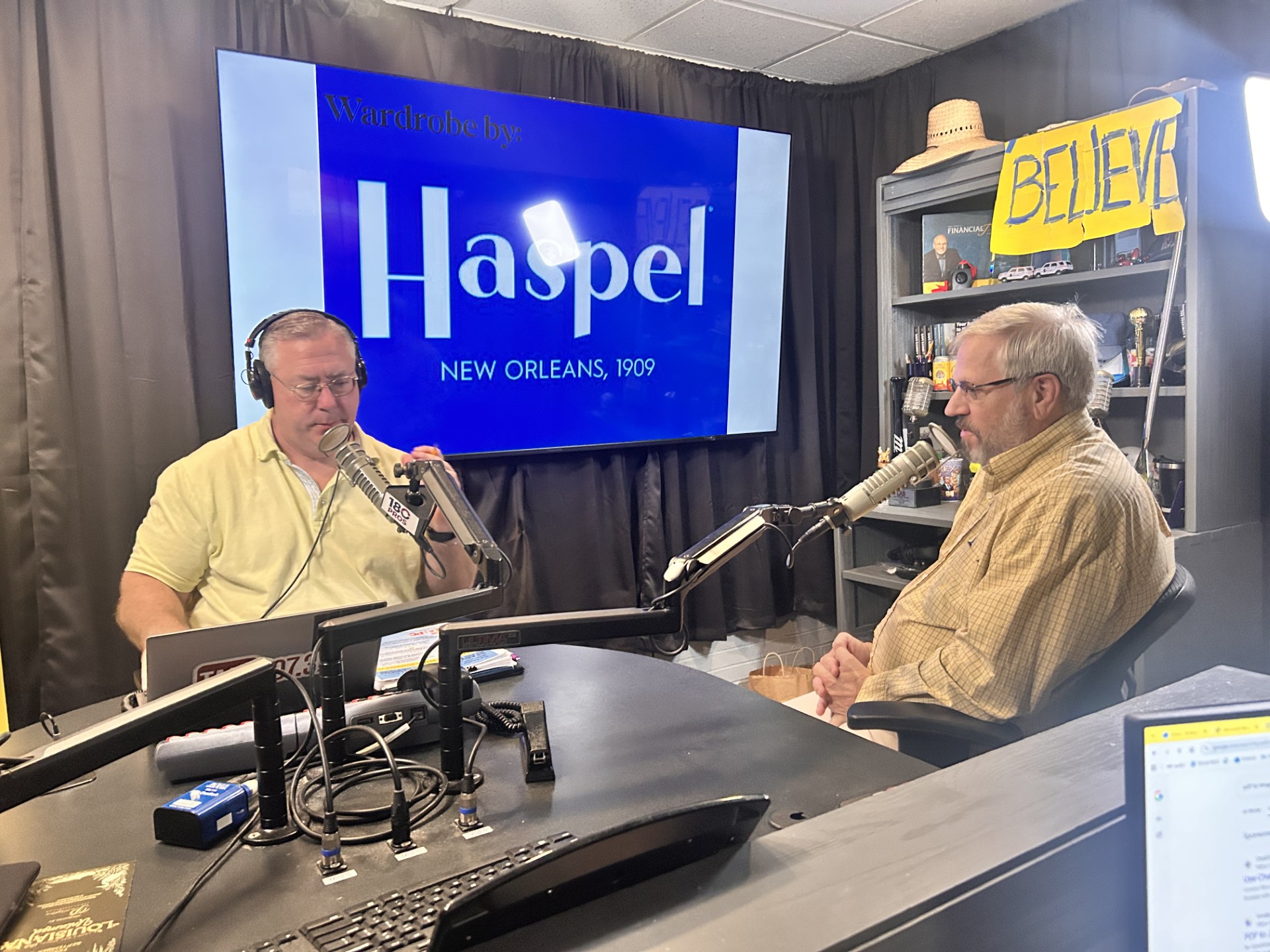


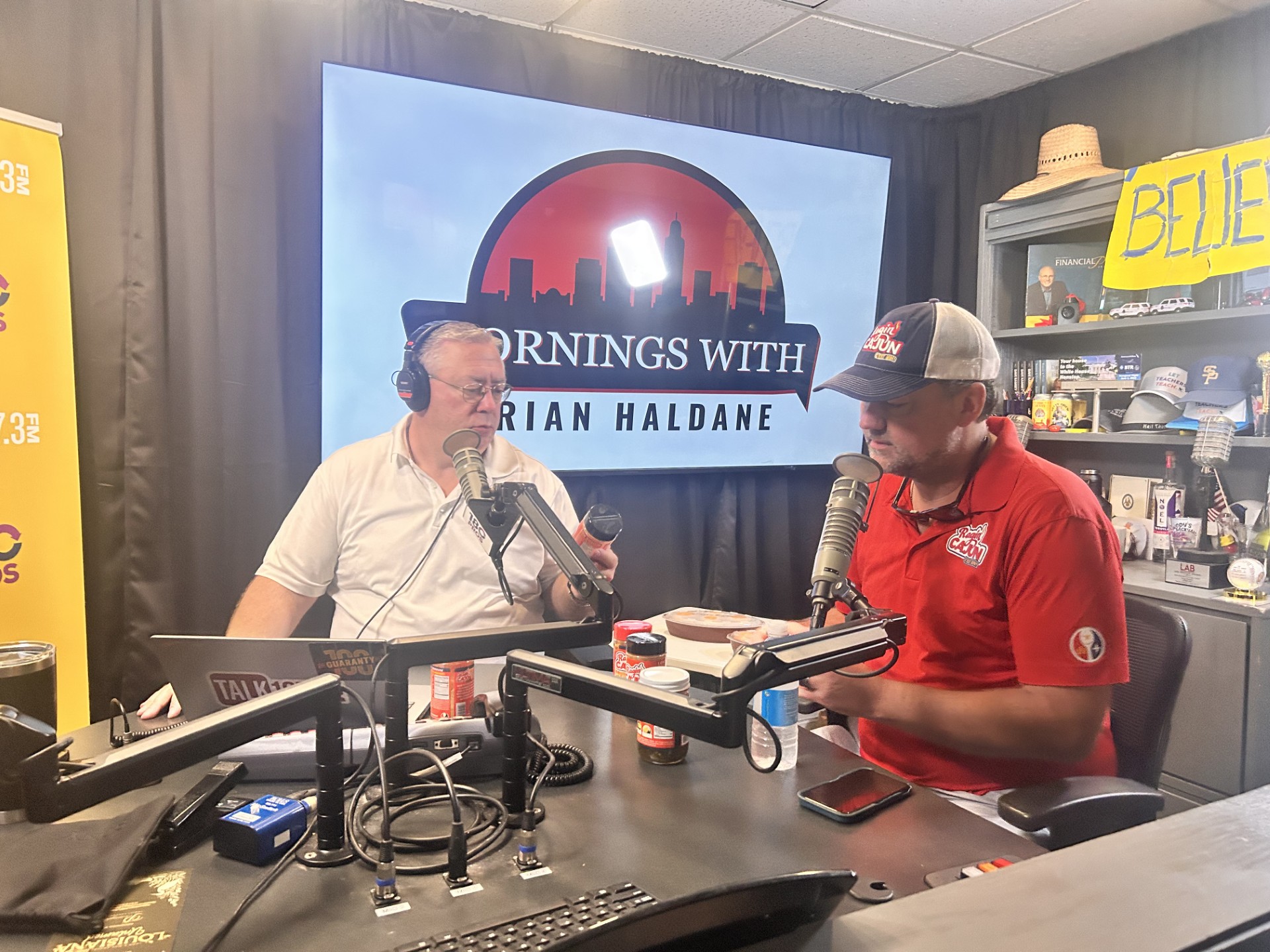
Louisiana Insurance Commissioner, Tim Temple, discussed the impact of a recent hurricane on Louisiana and its implications for the insurance industry. Temple began by acknowledging the challenges of the past week, including the need to hunker down for the hurricane and the subsequent return to normalcy. He emphasized that while the hurricane could have been worse, it still caused significant damage for some residents, and efforts are ongoing to ensure they receive prompt assistance from insurance companies.
Temple highlighted that the hurricane was considered a low-impact event by the reinsurance industry, meaning most damages fell within deductibles or company retentions, which should help with future pricing. He reassured that the recent property reform efforts by the legislature and governor remain intact and that interested insurance companies are still committed to entering the Louisiana market despite the hurricane.
Temple also discussed the importance of new construction codes and fortified roofs, which performed well during the hurricane. He noted that most of the damage was related to flooding rather than wind, with a significant number of flood claims coming from Jefferson Parish. He advised residents with flooded vehicles to file claims under their automobile policies if they have comprehensive coverage.
The conversation also touched on the effectiveness of local levee systems, particularly in Lafourche and Terrebonne, which successfully prevented flooding in many areas. Temple stressed the need for FEMA to recognize these mitigation efforts in their risk assessments and adjust insurance rates accordingly.
Finally, Temple addressed the ongoing challenges with the National Flood Insurance Program (NFIP) and Risk Rating 2.0, emphasizing the need for fair and appropriate rates that reflect the actual risk and mitigation efforts in place. He concluded by highlighting the importance of continued advocacy and adjustments to ensure Louisiana remains attractive to insurers and adequately protected against future storms.