

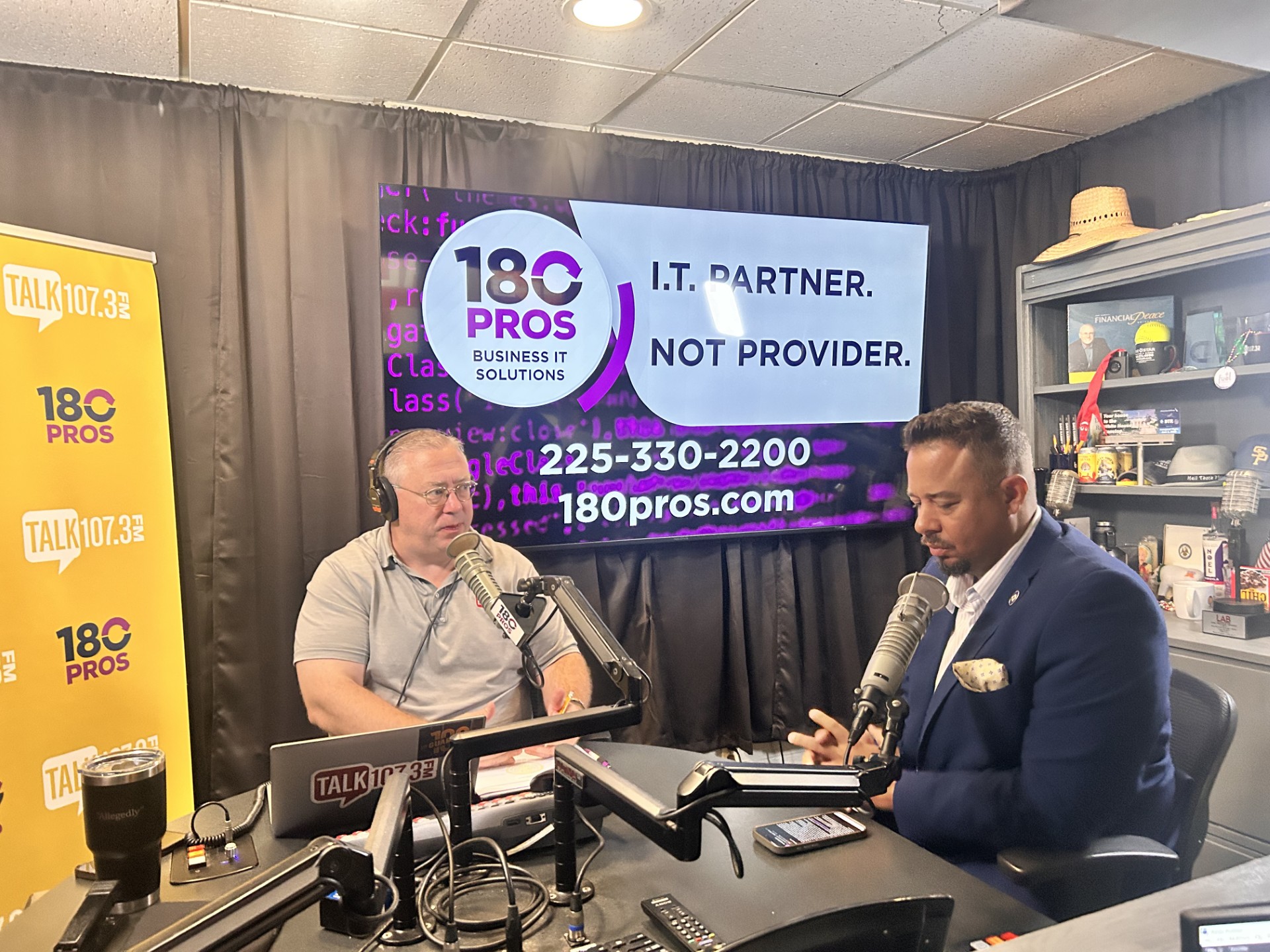
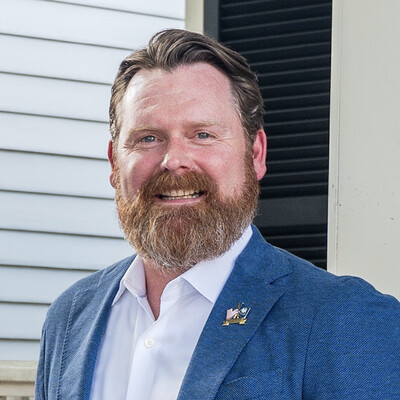


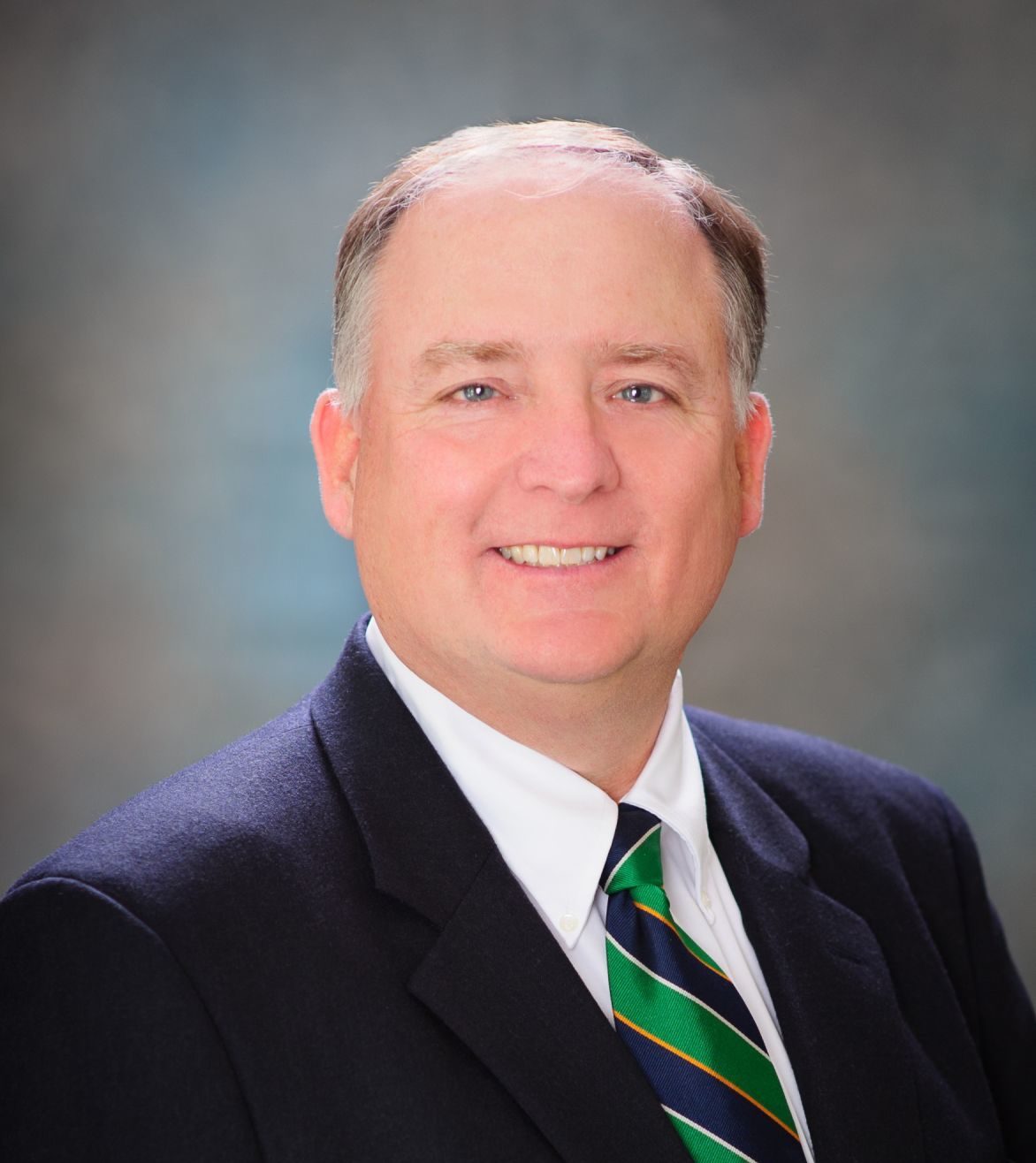
Metro Councilman Dwight Hudson recently shared his perspective on the proposal introduced by Councilman Rowdy Hurst to explore deconsolidating the East Baton Rouge city-parish government. While the concept promises localized representation, significant financial questions remain unanswered.
Representation vs. Financial Feasibility
Proponents argue that separating city and parish governance offers taxpayers clearer representation. Residents in incorporated areas like Central or St. George currently vote for the Baton Rouge mayor, raising questions about local governance boundaries.
However, political structure is only half the equation. “Where it begins to break down is on the dollars and cents,” Hudson noted. Dividing local government requires untangling shared assets, municipal debts, and legacy obligations.
The Challenge of Shared Debt
Resolving parish debt presents a major hurdle. Currently, parish-wide revenues service this debt, yet many underlying assets reside within Baton Rouge city limits. If deconsolidation occurs, local leaders must decide which entity inherits the financial obligations. Neither the parish nor the city can easily absorb these liabilities independently.
A Practical Path Forward
Rather than jumping straight to structural split, Hudson advocates for financial transparency. Splitting the municipal and parish budgets represents an actionable first step. This strategy allows taxpayers to see exactly where local dollars go while helping officials systematically address parish debt.
Exploratory committees must evaluate these financial realities cautiously before committing to structural changes. Determining that deconsolidation is financially unfeasible remains a perfectly valid outcome.