





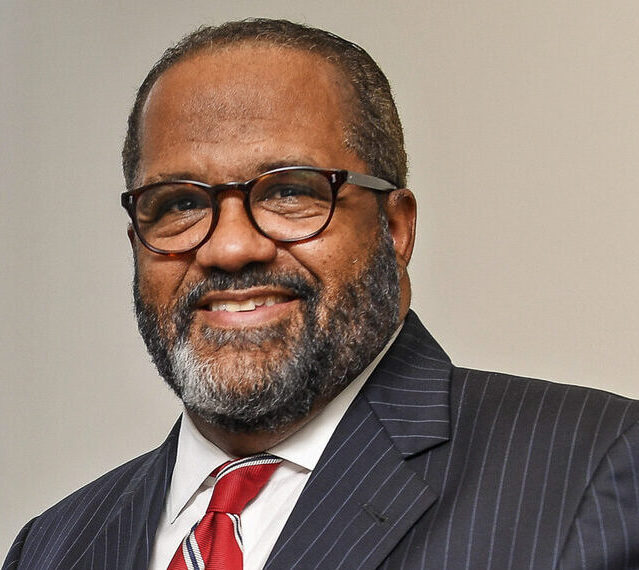

Scam texts continue to flood phones across the country. While many people enjoy trolling scammers, tech expert Haggai Davis says that approach can backfire. He shared the warning during a recent appearance on Mornings with Brian Haldane.
Why You Should Ignore Scam Texts
Davis said responding to scam texts tells criminals that your phone number is active. Once scammers know a real person is behind the number, they may sell that information to other scammers.
Instead of replying, Davis recommends deleting the message, reporting it as spam, and blocking the number when possible. He said even funny responses can make the problem worse.
Common scam messages often promise easy remote jobs, high pay, or other offers that sound too good to be true. Many also direct users to text another number for details.
Spam Calls Need the Same Treatment
Davis offered similar advice for spam phone calls. If you do not recognize the number and are not expecting a call, let it go to voicemail.
He explained that answering unknown calls can signal to scammers that the number belongs to an active user. That information may then circulate among other fraudsters.
AI and Voice Cloning Concerns
The discussion also touched on artificial intelligence. Davis noted that modern AI tools can create convincing voice and video clones using only a short audio sample and a photo.
While voice cloning alone does not give criminals access to financial accounts, it can create convincing impersonations that damage reputations or support larger scams.
The takeaway is simple. Do not engage with scam texts or calls. Delete suspicious messages, block offenders, and stay cautious when dealing with unknown contacts. A few seconds of caution can save you from a much bigger headache later.