




Congress Examines the Future of College Athletics
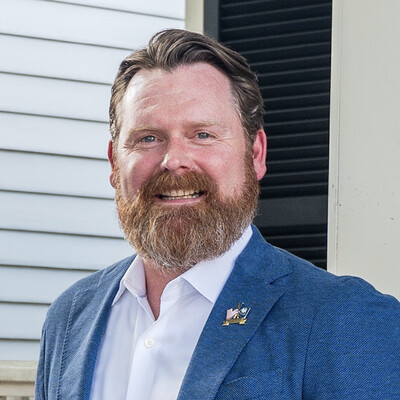
College athletics faces growing pressure as lawmakers, coaches, and universities try to navigate the fast-changing world of Name, Image, and Likeness (NIL) deals and revenue sharing. Bill Cassidy said Congress is now examining how the system impacts student-athletes and their long-term success.
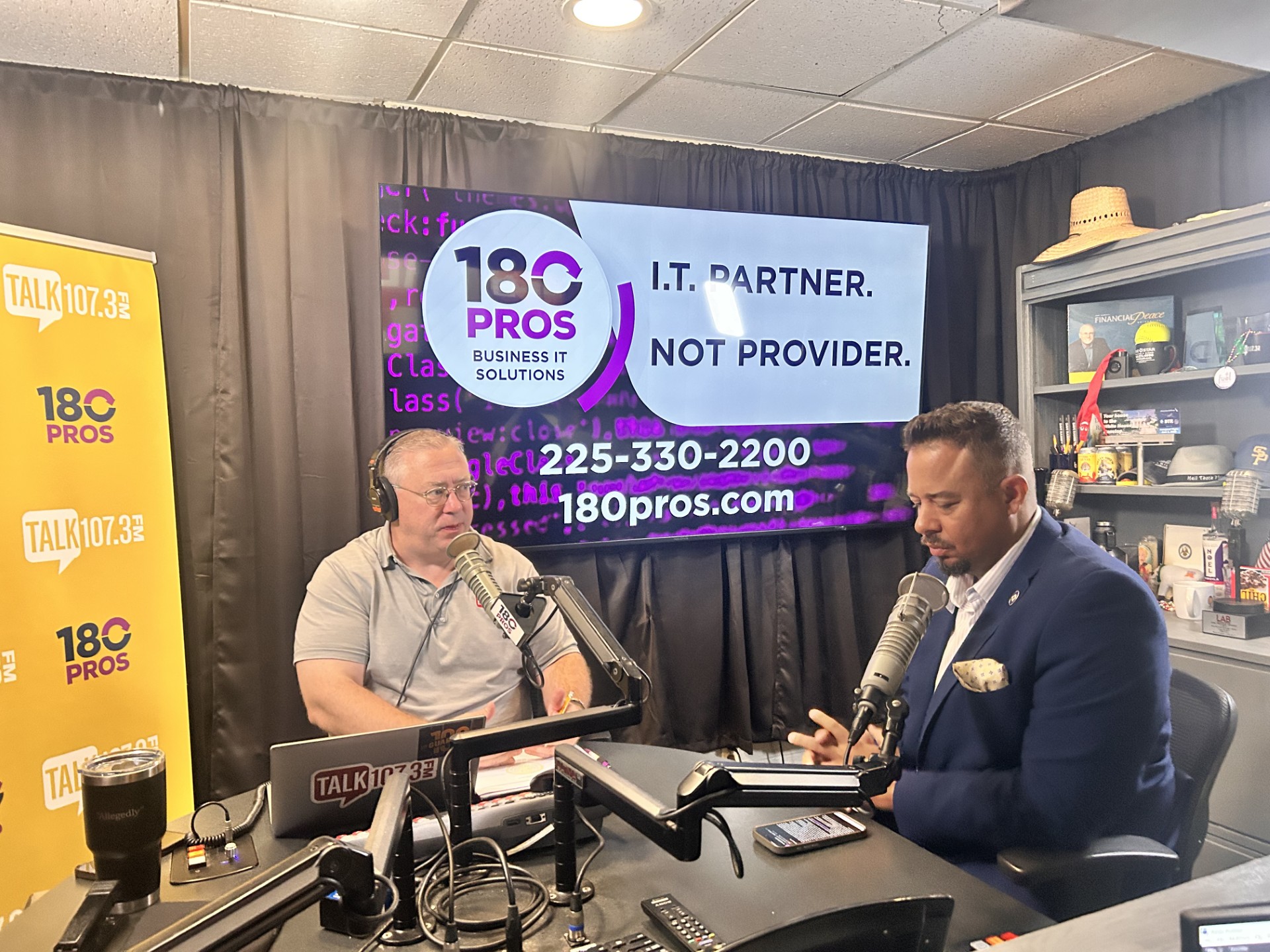
Cassidy recently hosted a roundtable discussion with coaches, former athletes, and policy experts to better understand how NIL policies are affecting college sports. The goal is to determine whether federal legislation is needed to stabilize what many describe as a chaotic environment.
“The old system was bad, but the new system may be bad too,” Cassidy said, noting that while athletes now earn money, the current structure creates new problems.
NIL Opportunities May Carry Long-Term Risks
Under the NIL system, college athletes can profit from endorsements and sponsorships. However, Cassidy and others warn the system can harm players who leave school early or transfer frequently.
Former LSU basketball athlete Garrett Temple raised concerns that athletes who move between schools often lose academic credits and struggle to graduate. In one example discussed during the roundtable, a student-athlete transferring schools lost 56 credit hours, setting graduation back by years.
Another concern is that only a small percentage of athletes reach professional leagues. According to figures discussed during the meeting, about 0.5 percent of football and basketball players go pro. Many athletes earn short-term NIL money but leave college without a degree or career path.
Possible Federal Solutions Under Review
Cassidy said lawmakers are exploring several potential fixes.
Ideas include standard contracts for NIL deals, stronger disclosure rules for athletes entering the transfer portal, and policies that emphasize education alongside athletics. Cassidy also said lawmakers must consider how Title IX factors into revenue distribution while protecting sports that generate income, such as football and basketball.
The Senate Health, Education, Labor, and Pensions Committee plans to hold hearings later this month. Cassidy said the goal is to craft legislation that protects student-athletes while bringing stability to college sports.
A Push to Restore the “Student” in Student-Athlete
Cassidy emphasized that any reform must ensure college athletes remain students first.
“We need to put the student back in student-athlete,” he said, adding that new rules should help athletes graduate and prepare for life after sports.
With lawsuits, federal scrutiny, and pressure from universities, Congress may soon play a major role in reshaping the future of college athletics.