





As New Orleans enters 2026 and officially kicks off Mardi Gras season, city leaders face a harsh fiscal reality that could undermine public safety. A projected $200 million budget deficit is putting promised police bonuses at risk and raising concerns about officer retention and recruitment.
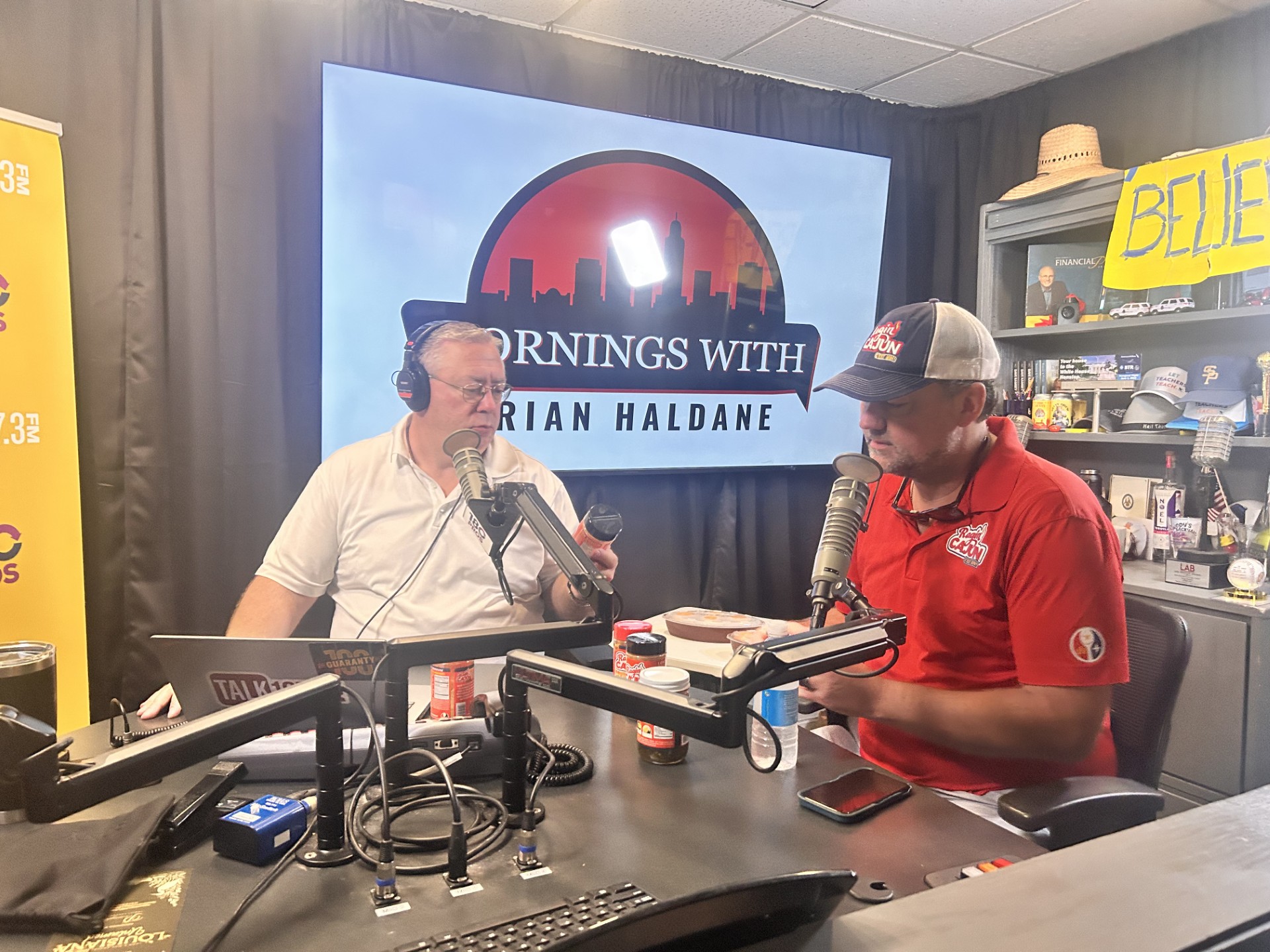
Political analyst Jeff Crouere, host of Ringside Politics, recently broke down the issue, noting that the city is struggling to meet financial commitments despite an $800 million operating budget.
Police Results Amid Financial Shortfalls
The concern comes at a time when the New Orleans Police Department continues to deliver results. Even with only about 900 officers—far below staffing needs—New Orleans has recorded another year of declining murder and violent crime rates. Officers have relied on help from state police and National Guard troops during high-demand periods like Mardi Gras, but the primary responsibility still falls on NOPD.
Promised bonuses were meant to reward that progress. Now, city officials say the money is gone.
Budget Decisions Under Scrutiny
According to Crouere, the shortfall stems from long-standing budgeting practices, including reliance on one-time federal funds and chronic underestimation of overtime costs. Overtime alone historically costs around $50 million annually, yet the city budgeted far less. Those decisions created a structural gap that the new administration must now confront.
Recruitment and Retention at Risk
Unpaid bonuses hurt more than morale. They damage recruitment. Officers can earn higher pay in nearby parishes such as Jefferson or St. Tammany, where crime rates are lower and compensation is more stable. Headlines about unpaid promises only accelerate departures.
A Critical Test for New Leadership
As Mardi Gras approaches, public safety remains the city’s top obligation. Crouere warns that without prioritizing police funding, New Orleans risks losing the very officers responsible for recent crime reductions. The new mayor enters office with goodwill and a honeymoon period—but results, especially for public safety, will ultimately define her leadership.