



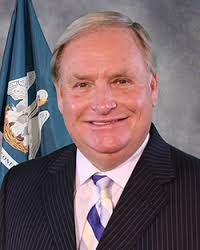


New Orleans has spent 20 years rebuilding its public school system, and the results continue to draw national attention. Dana Peterson, CEO of New Schools for New Orleans and former leader of the Recovery School District (RSD), joined the conversation to explain how the city changed and why those changes still matter.
Peterson reminded listeners that the shift started before Hurricane Katrina. In 2003, Louisiana created the RSD to take over failing schools. A few schools were scheduled to open under that model in 2005. Then Katrina hit and forced a dramatic reset. The state quickly expanded its authority and assumed control of most New Orleans schools. Charter operators stepped in and began rebuilding from scratch.
Autonomy became the driving force. Charter schools gained the freedom to adjust instruction, staffing, and support based on real-time student needs. District bureaucracy did not slow them down. Peterson said that flexibility helped educators respond to students with unique or urgent challenges. But autonomy required accountability. If a school failed to produce results, the city replaced its operator. New Orleans refused to let low performance continue indefinitely.
The approach worked. High school graduation rates have climbed more than 25 points since 2005. College-going rates have risen almost 30 points. Today, New Orleans sends more students to college than the state average. A Harvard-Stanford study ranked New Orleans second in the nation for ELA growth and eighth for math growth after the pandemic.
Peterson said other Louisiana cities can learn from this model. Communities must hold schools accountable, give families real choices, and support equity. They must also protect the autonomy that allows educators to design schools that meet local needs. The process is difficult, but New Orleans shows it can deliver real and lasting results.