


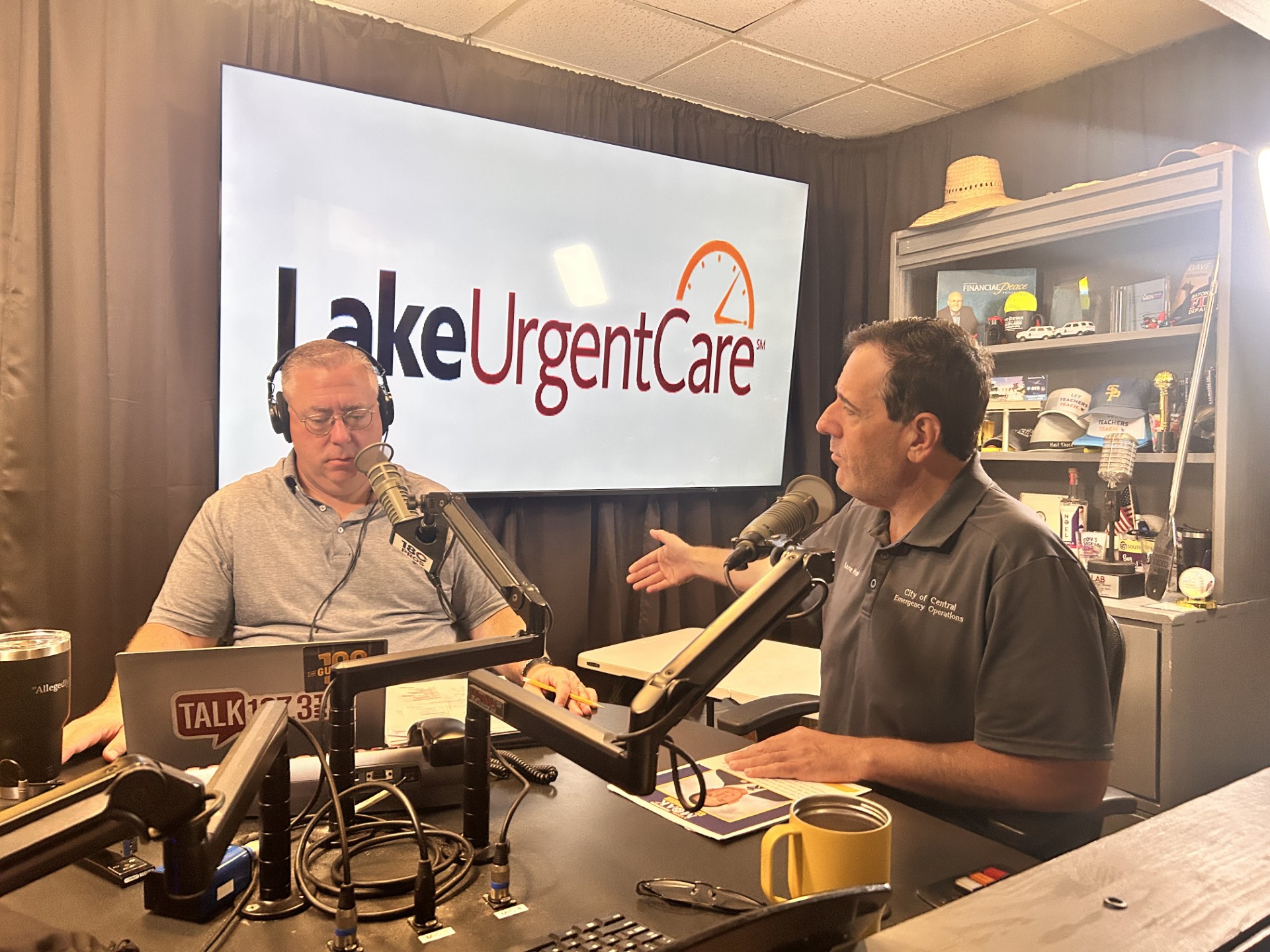

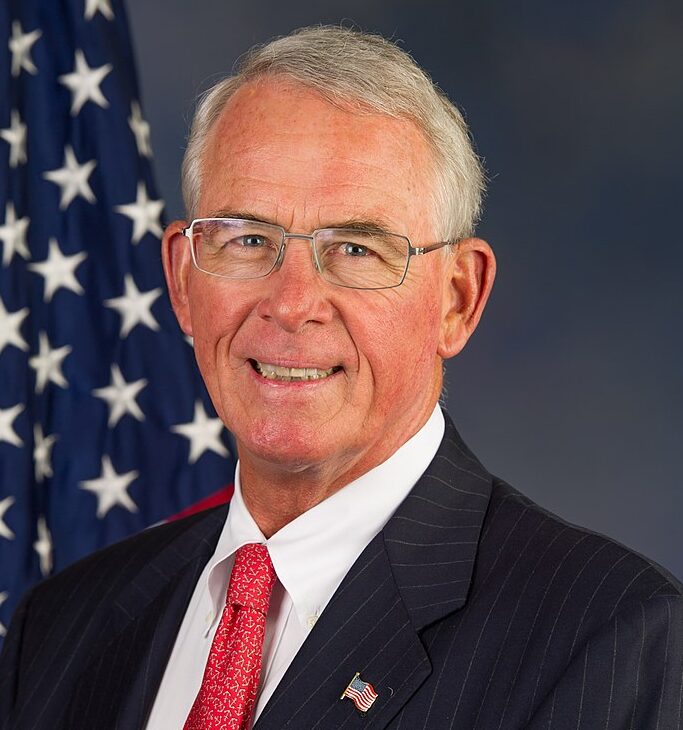


Louisiana’s workforce landscape is shifting fast, and newly appointed Louisiana Community and Technical College System (LCTCS) President Richard Nelson says the state must be ready to meet the moment. After two years leading major tax reform efforts at the Department of Revenue, Nelson is stepping into a role he calls “critical to Louisiana’s future” — equipping residents with the skills needed to compete for tens of thousands of new jobs heading to the state.
Nelson describes Louisiana’s recent economic momentum as “catching gators,” and says LCTCS is where the real work begins: “Now we’ve got to skin them. We have jobs coming — 70,000 to 80,000 over the next few years — and we want Louisiana citizens prepared to fill them.”
A key part of Nelson’s strategy is tightening the relationship between colleges and industry. As major projects like the Meta data center in Richland Parish, Hyundai’s facility in Ascension Parish, and LNG expansion in Southwest Louisiana come online, the demand for skilled workers is exploding. Nelson says curriculum must become more nimble so programs can pivot quickly when market needs shift.
For Meta, he points out, required skills range from HVAC and electrical work to plumbing, server wiring, and ongoing maintenance. For Hyundai and other River Parishes projects, welders, equipment operators, and pipefitters will be in high demand — trades Louisiana already excels in but now must scale significantly.
Each of LCTCS’ 12 colleges will tailor training to local industry needs, allowing the system to support diverse economic growth statewide. Nelson says the colleges also want to be seen as a primary career pathway, not a secondary option behind four-year degrees.
Access remains a priority, too. While community college is affordable, tuition can still be a barrier. Nelson emphasizes the importance of state support to help residents gain skills that lead to high-wage, high-demand careers.
As 2026 approaches, Nelson says he’s energized: “It’s a great opportunity, and it’s the future of higher education — continuous skills development so people can thrive.”