




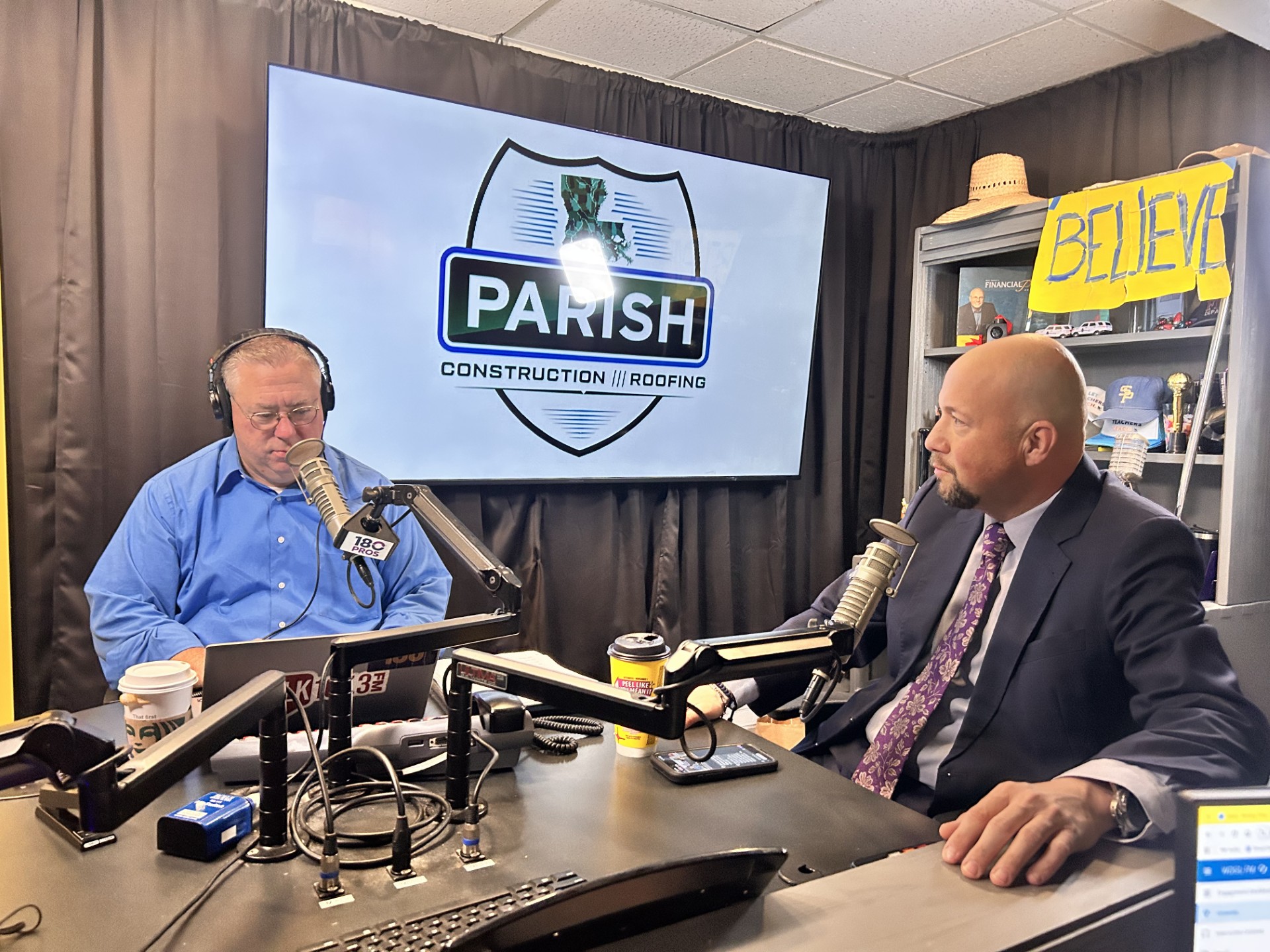
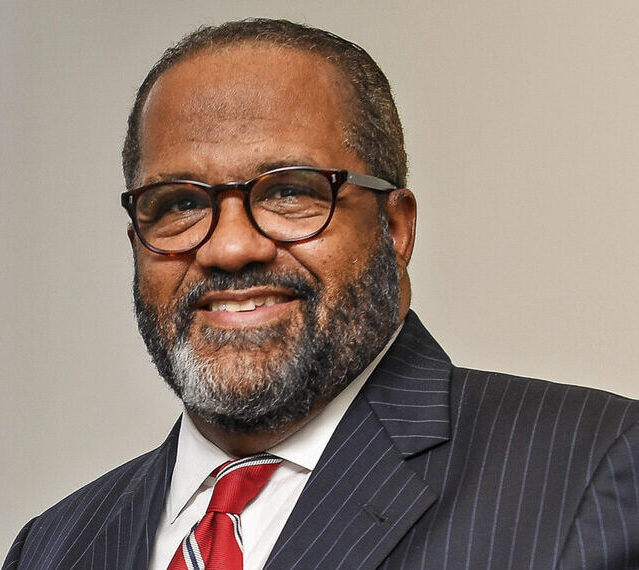

Dr. Rajesh Narayanan from LSU shared insights on the Federal Reserve’s anticipated rate cuts and their potential impacts on the economy. The Fed is primarily focused on two key indicators: inflation and unemployment. Currently, both metrics are trending favorably, with inflation dropping from around 9% post-pandemic to approximately 3-3.5%, and unemployment nearing the Fed’s target of around 2%.
Given these trends, there is widespread expectation of a rate cut, possibly between 25 to 50 basis points. Such a cut would lower variable interest rates, providing some relief to consumers with credit card and auto loans, though it would have less impact on fixed-rate mortgages. Small businesses with variable rate loans might also benefit, but the overall immediate effect on consumer spending is expected to be minimal. However, over time, as rates continue to decrease, there could be significant improvements in consumer spending and business investments.
Dr. Narayanan emphasized that while the initial rate cuts might not have a dramatic impact, they are a necessary step towards achieving the Fed’s long-term goals. He noted that the Fed aims to gradually reduce rates from the current 7-7.5% to around 2-3%, with potential cuts at upcoming meetings contributing to this goal.
Financial markets have already factored in these expected rate cuts, with stock markets performing well and corporate earnings looking strong. This suggests that the Fed’s actions are seen as positive signals for economic stability and growth. For individuals, the gradual reduction in rates is expected to eventually lower food and energy prices, providing some relief from the inflation experienced in recent years.
Businesses, particularly those hesitant to invest post-COVID, might find renewed optimism and opportunities for growth as the economic outlook improves. Overall, Dr. Narayanan views the Fed’s strategy as a positive step towards sustained economic recovery and growth.