

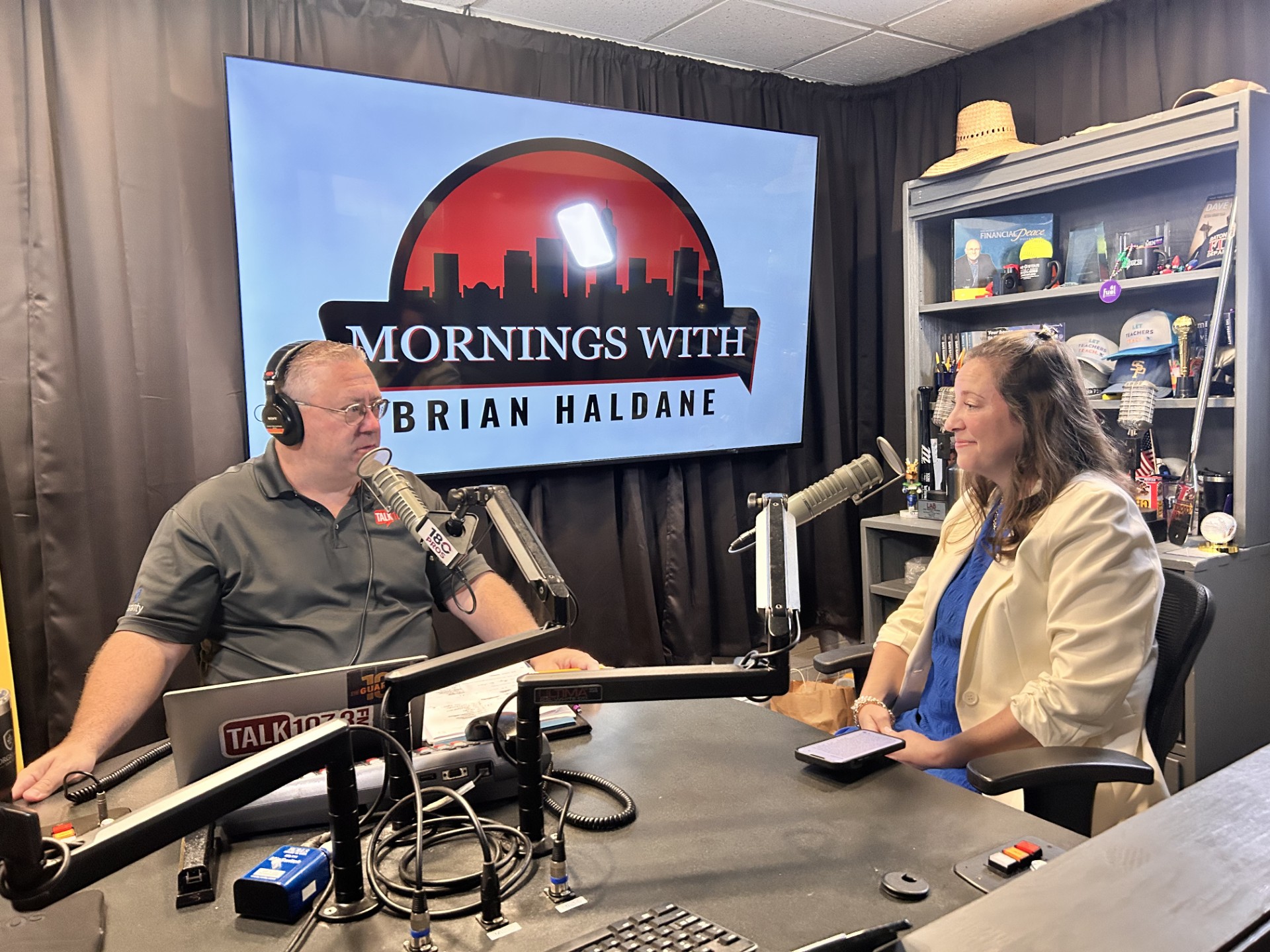
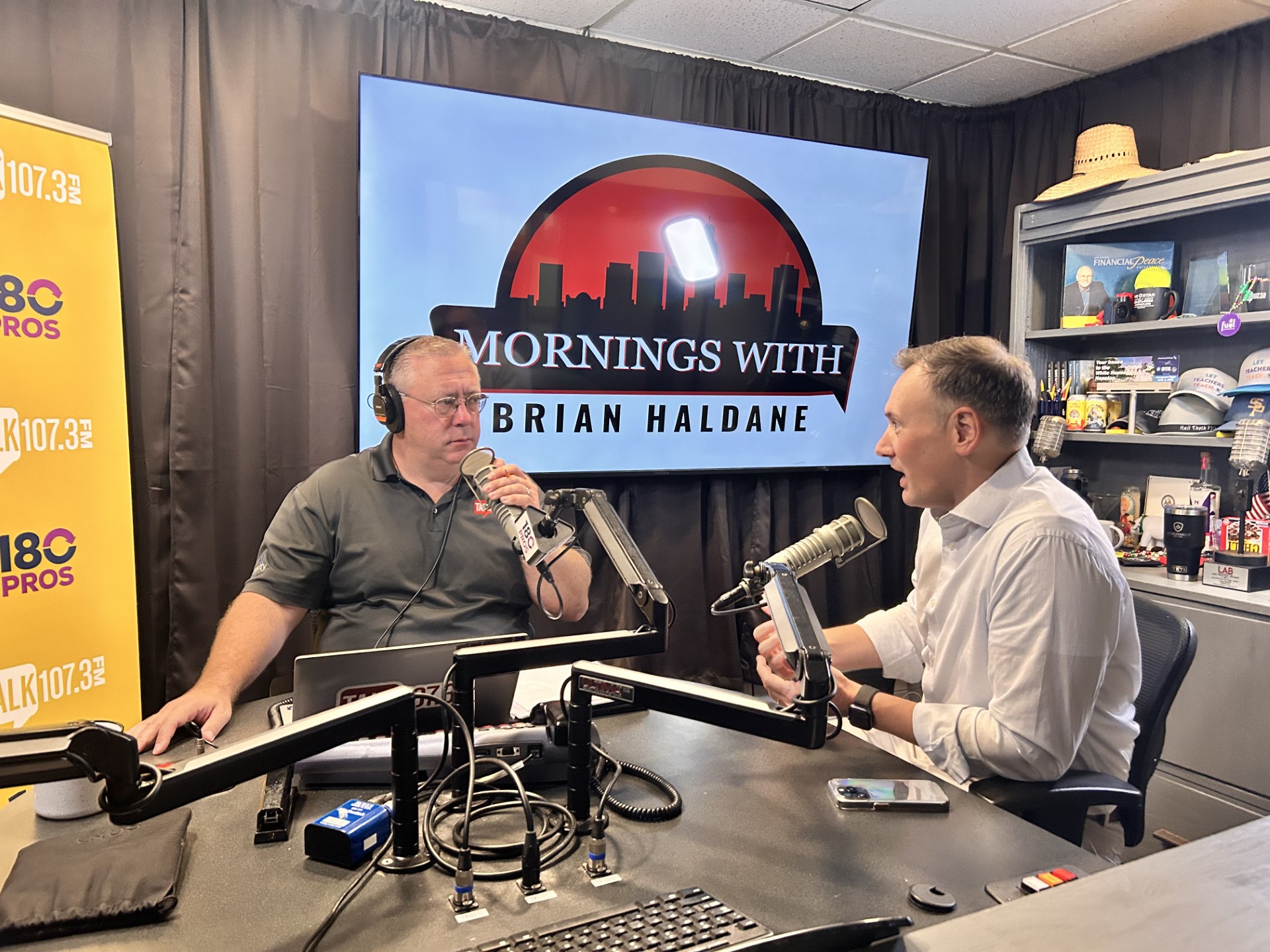


LSU Political Science Professor Robert Hogan joins the show to discuss the process of selecting a nominee for the Democratic National Party and the role of delegates in this process. It emphasizes that state rules and the National Party’s rules play a significant role in how delegates are chosen and how the nominee is selected. The text highlights that the nominee is not officially chosen until the delegates at the convention formally nominate them, even though the media often refers to them as the “presumptive nominee.”
The text references the 1968 Democratic National Convention as the last time no candidate had a majority of delegates at the beginning. It explains that the current situation is different because delegates are bound to a specific candidate, in this case, Joe Biden. Biden has released his delegates and endorsed Kamala Harris, who was his vice-presidential nominee. The text suggests that most delegates are likely to support Harris due to their commitment to Biden’s agenda and the lack of significant policy differences between Biden and Harris.
The text also discusses the potential impact of a candidate withdrawing voluntarily, which can lead to questions about the legitimacy of the primary process. It mentions that delegates have the opportunity to express their opinions at the convention and try to convince others to support their views.
The text concludes by noting the urgency of the situation, with only a few weeks remaining until the convention. It highlights the importance of unity within the Democratic Party to increase their chances of winning the election. The text suggests that it will be difficult to dislodge Harris as the nominee unless there is a significant revelation. The discussion ends with a mention of the broader implications for the election, including the down-ballot races and the overall goal of the Democrats to regain control of the House.