




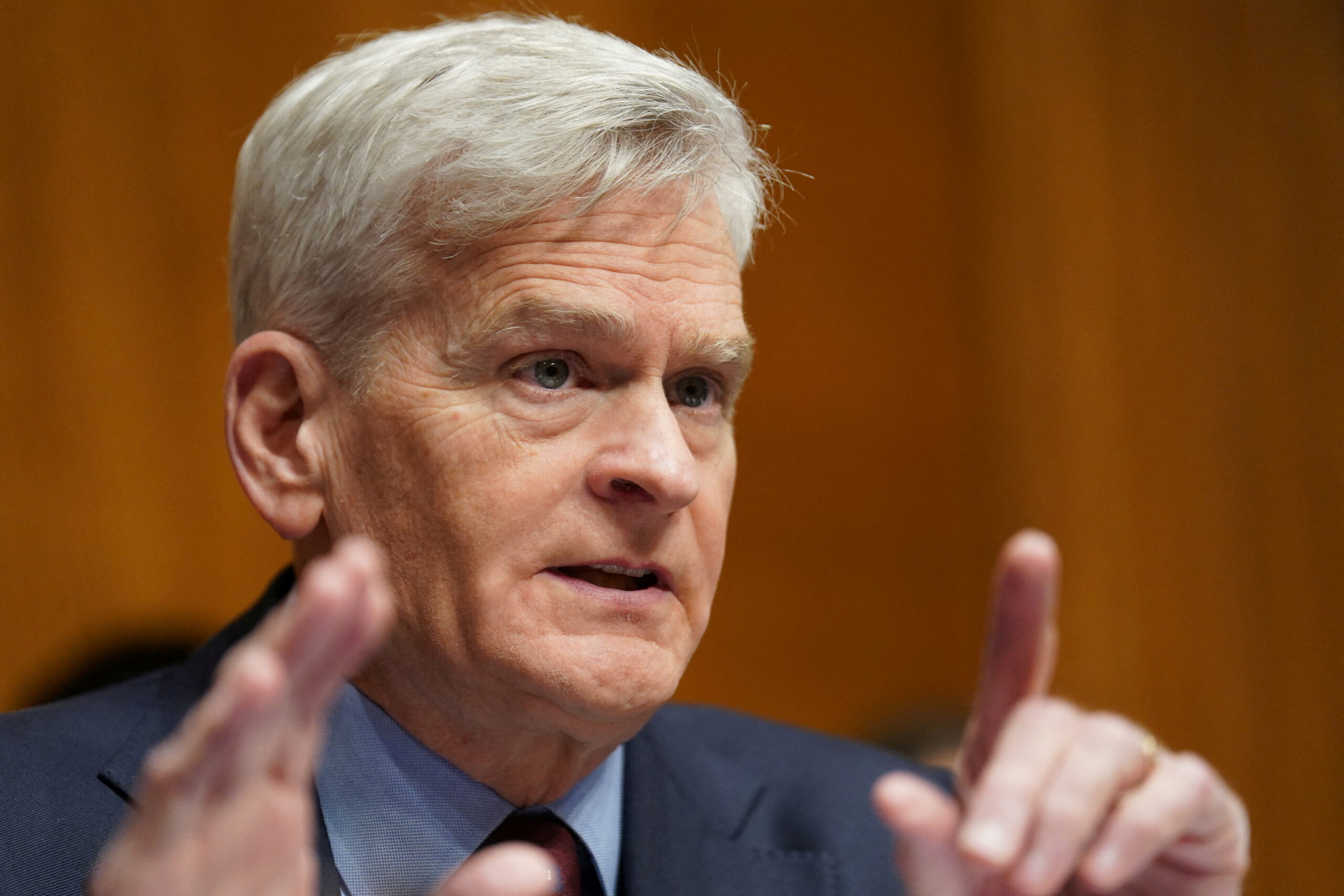

Congressman Garret Graves joins the show to share his thoughts on the Foreign Aid Package, the border crisis, and the US energy policy.
- Foreign Aid Package:
- The U.S. Congress recently approved a $95 billion foreign aid package that serves multiple purposes:
- Ukraine: The package includes $61 billion for Ukraine, aimed at replenishing U.S. weapons stockpiles and providing economic assistance. Ukraine will receive over $9 billion in forgivable loans for economic support.
- Israel: Approximately $26 billion is allocated to support Israel and provide humanitarian relief in Gaza. Of this, $4 billion will replenish Israel’s missile defense systems, and more than $9 billion will go toward Gaza’s humanitarian needs during the Israel-Hamas conflict.
- Indo-Pacific Allies: The package also allocates $8 billion to assist U.S. allies in the Indo-Pacific region and counter China. This includes funding for submarine infrastructure, weapons replenishment for Taiwan, and other regional allies1.
- The U.S. Congress recently approved a $95 billion foreign aid package that serves multiple purposes:
- Border Crisis:
- Despite the foreign aid bill’s passage, it notably lacks funding or measures to address the unprecedented illegal immigration crisis at the U.S.-Mexico southern border. The bill focuses on national security aid to Ukraine, Israel, and Taiwan but does not directly tackle border issues2.
- U.S. Energy Policy:
- While the foreign aid package does not specifically address energy policy, it reflects broader geopolitical considerations. The allocation for Indo-Pacific allies and countering China indirectly relates to energy security, given the region’s significance in global energy markets1.
In summary, the foreign aid package prioritizes military assistance, humanitarian relief, and geopolitical interests, but it does not directly address the ongoing border crisis or U.S. energy policy