


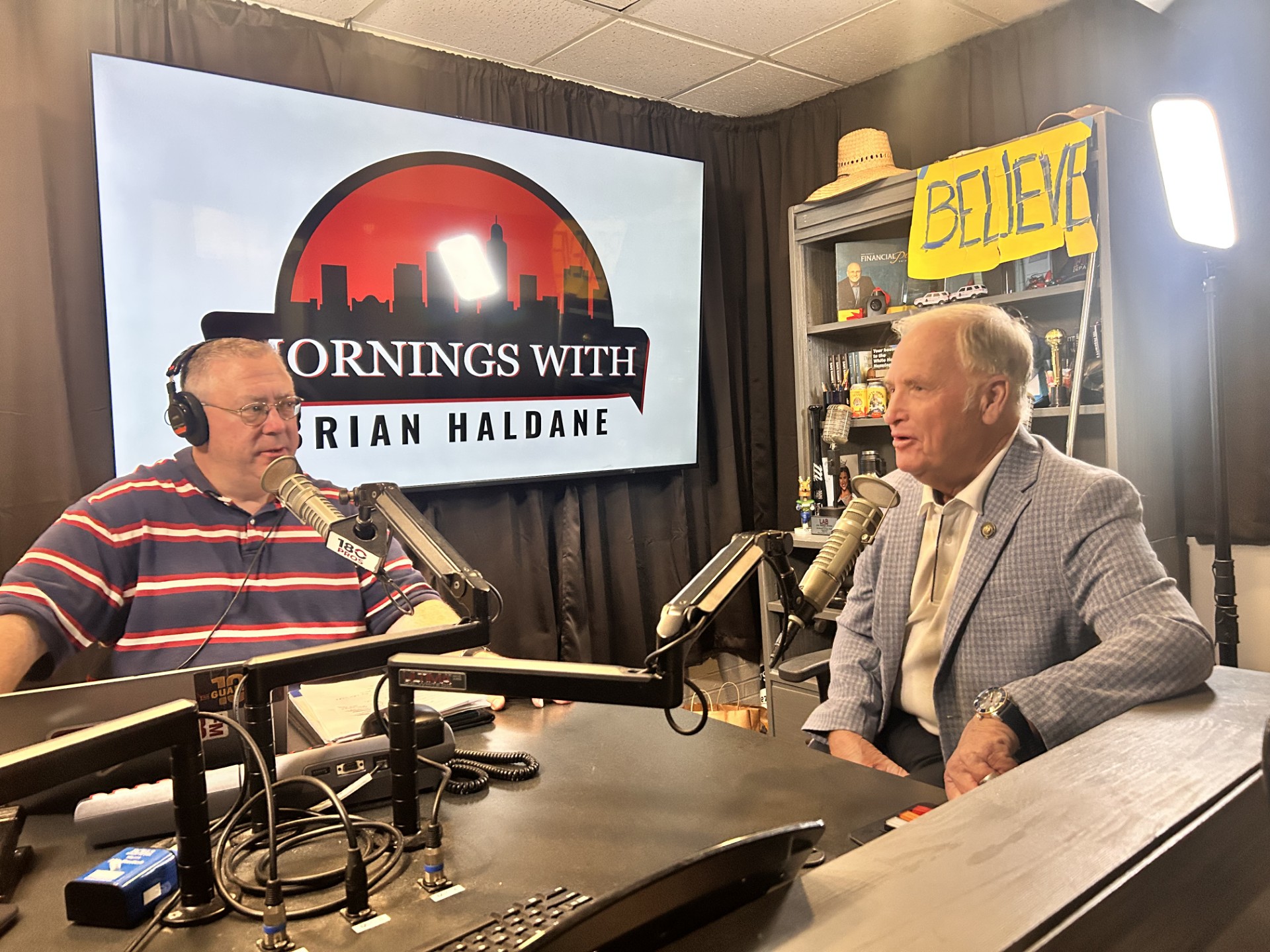




When it comes to the safety of Baton Rouge bridges, DOTD assures travelers that if a bridge is open, it is indeed safe for travel. Let’s delve into the measures in place to maintain safety and protect commuters.
Navigational Studies and Vessel Considerations
Before constructing bridges over waterways, thorough navigational studies are conducted. These studies assess the types of vessels that will navigate the area and determine the necessary precautions. The goal is to understand the vessel traffic patterns and design bridges accordingly.
The Robust Fender System
One noteworthy example is the Doris Wilkinson Bridge, a new addition to Baton Rouge’s infrastructure. This bridge boasts a robust Fender system designed to safeguard against collisions. But what exactly is this system?
Anatomy of the Fender System
- Deep Foundations: The Fender system extends below the water surface, providing a protective buffer for the bridge piers.
- Giant Legos: Imagine giant interconnected Lego blocks. The lower two levels are filled with concrete, while the upper levels—each as large as a carport—are filled with an aggregate material. Together, they envelop the concrete pier.
- Deflection Mechanism: Similar to a guardrail on a highway, the Fender system is engineered to deflect impact. When a vessel collides with the pier, the Fender system absorbs the force, preventing direct hits.
The Importance of Speed Differential
Why all this effort? The narrow bridges, such as the I-10 bridge between Lafayette and Baton Rouge, witness high traffic volume. Even a minor accident can cause major disruptions due to the bridge’s length (18 miles) and its location over water. DOTD emphasizes managing speed differentials—when vehicles travel at significantly different speeds—as a critical safety factor. By encouraging consistent speeds around 60 mph, the chances of crashes decrease significantly.
Future Measures
To further enhance safety, DOTD plans to install feedback cameras along the Atchafalaya Basin Bridge. These cameras will inform drivers of their current speed. Additionally, speeding fines have doubled within the designated Safety Corridor, leading to improved compliance.
Remember, Baton Rouge bridges are more than mere structures—they are lifelines connecting communities. Ensuring their safety remains a top priority for DOTD.